Preview Summary –
- Flash flood warnings are meant to get our attention, so we can make a note and take heed. Is America in such a moment in our history that requires a new level of awareness?
- As our new nation was unfolding in 1775 there wasn’t time for pomp and pageantry as folks were focused not only on winning the battle but also creating a shift in consciousness.
- While politics of the day might raise concerns about warfare now, it’s gonna take boots on the ground in civics, enlightenment and healing for a shift in consciousness in our present day.
Signup Center –

Main Content –
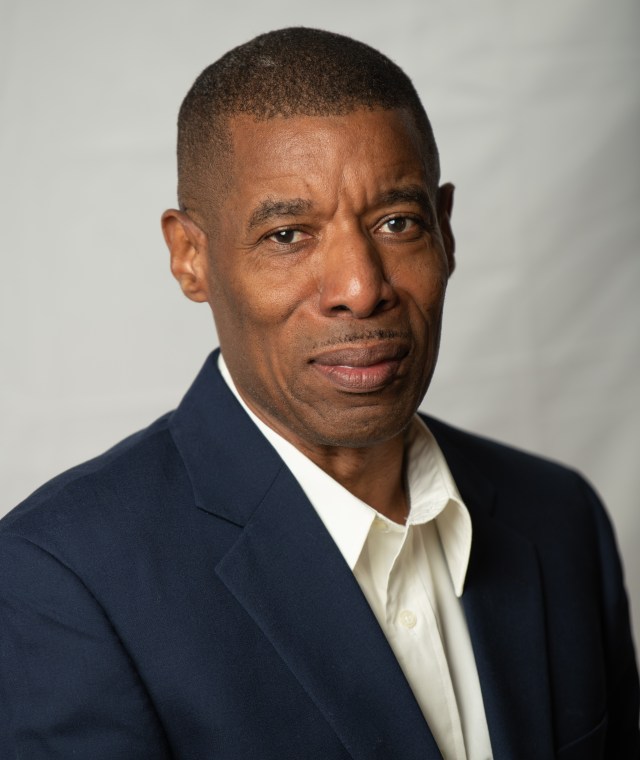
“Da Island Guy”
Sounding Off Social
This summer saw flash flood warnings get our attention and cause tragedy from Texas to New Jersey. Normally folks would make a note but not really be concerned. But after being taken by storm from recent downpours, it requires a new level of awareness from getting those alerts. In a sense, America might find itself in a similar place. Things are happening by storm, as there’s a new battle brewing in the nation with less than a year going into the 250th anniversary of America’s independence, otherwise known as the Semiquincentennial. Maybe we need a new level of awareness to make a note or take heed.

Travel back in time to the days of our founding and there were aspects at play then as we see now. Many had become exhausted by British Monarchy rule. This included frustration with numerous taxes. Things got so bad that some started to look for a path for shake-up or breakout to move beyond the madness. Interestingly, concerned citizens then were deeply influenced by the Enlightenment period, which helped to forge a shift in consciousness with ideas like ‘natural rights’, or what the founders eventually called unalienable (inalienable) rights. Meantime, a little over a year ago we learned from a Pew Research poll that 65% of folks are exhausted when they think of politics. Plus, in terms of our social climate, who’s bringing the enlightenment, since many are more focused on clicks & clout.
Knowing the thread that runs through the cloth of America helps us with joining the trailblazers from our nation’s past with changemakers of our present day. The battle/divide during our founding was between loyalist vs patriots. During the civil war it was between confederates and unionists. Now it seems things have evolved to a battle between ‘Mecca States’ vs ‘Massa States’ (like those that initially seceded). We see this playing out in the recent push around redistricting. But the common thread whether during revolution, civil war or current times, is in those who seem/feel celebrated (viewed as insiders) vs the other side who seem/feel slighted (viewed as outsiders). You can also tell the different sides based on whether they’re about ‘we the people’ or mostly about money and power.

In the coming months there’ll be events of pomp and pageantry in the lead-up to July 2026. But as our new nation was unfolding in 1775 there wasn’t time for that as folks were focused not only on winning the battle but also creating a shift in consciousness. That happened through efforts like:
- Committees of Correspondence with hometown voices in unity of purpose and other civic ends.
- Paul Revere’s work in New England and Mid-Atlantic regions to spread awareness.
- Rallying around a ‘big standing’ with the Declaration of Independence as a new nation.
One of the benefits of the Enlightenment period was that it brough a new language for describing the issues around life, liberty and the pursuit of happiness. This helped to shape a new structure for governing, as well as focus for going from colonies to the United States of America. These days it seems the structure (Constitution) is under attack, and the focus is less communal and more confrontational. The period after the Revolution gave root to the American experiment. The period after the civil war gave root to what’s known as America’s second founding. Some hoped the period after the civil rights movement would be a kinda post-racial era. But here we are knocking on the door of our 250th birthday, asking ourselves what’s it gonna take to create a new shift in consciousness as a nation. Maybe folks like Paul Revere, Samuel Adams and John Hancock can help us with a word or strategy around:
1. Leadership
Back in the early days, leadership wasn’t dependent on political parties. It came out of hometown voices focused on unity of purpose and other civic ends. In 1772, Samual Adams and John Hancock were key players in forming Boston’s Committee of Correspondence. Long before the New York Times or cable news networks, these committees began to spring up locally and across the colonies. It was their way of breaking news and providing leadership as the colonies asserted new democratic willpower. Of course, we now know those names are among the signers of the Declaration of Independence.
2. Mission-ship

Many remember the story of Paul Revere’s horseback ride into Lexington to warn the patriots that “the British are coming.” But there’re other aspects to his life that give context for mission-ship. Long before there was Fedex, there was the ‘pony express’. Revere would take long rides to the New England and Mid-Atlantic regions to share updates on what was happening across the colonies. The ‘mission packages’ didn’t get there overnight, as Revere had lonely-road travels through backwoods. But it’s the sharing of insights and stories from regular folks that helped to fuel his sense of purpose and mission.
3. Allyship
As a teenager, Revere was a bell ringer. In those days, bell ringing was how they shared birth, wedding, death and other announcements. He was among a small group of young boys who took that responsibility seriously which eventually led to shaping their life’s work. As an adult, Revere became a silversmith with part of his work done in making bells. It’s as if he was the Mark Zuckerberg of his time, providing the community with ways to ‘post’ messages via bell ringing. Some of those he worked with as a young bell ringer in his hometown became confidantes and strong allies in his life’s work as a regular citizen.
4. Citizenship
When it comes to impacting, serving and servicing the marketplace, many industry leaders know about B2B (business to business) and B2C (business to consumer) for having strong earnings/value. These marketing strategies help open lanes of commerce and streams of income. What’s needed in the 21st century on our journey to a more perfect union is the concept of B2CE (business to civic ends). That new model will help open lanes of engagement and streams of public good. It will provide a framework to guide efforts on impacting, serving and servicing the marketplace for having ‘strong citizens.’

The Revolution battle was over taxes and self-determination, the civil war over slavery and the cotton enterprise. The civil rights battle came out of exhaustion with segregation and discrimination. Today’s slow-boil battle seems to be with redistricting. It took boots on the ground in warfare to fight some previous battles. But there was more involved in creating a shift in consciousness as a nation, one community at a time. While politics of the day might raise concerns about warfare, it’ll take boots on the ground in civics, enlightenment and healing if we’re gonna ‘take a walk’ towards a shift in consciousness.
Chime-in on impacting Democracy & Public Good, Education & Community or Entrepreneurship & American Dream, ‘Civic Mondays’ events or Civics & Community forums. Plus,you can “J.A.M. With Us” (join a movement) in civic engagement, social change and community life. Checkout the Signup Center below.
Tracks: Jamal Roberts – Heal – https://youtu.be/6rccyIFqIPI?si=lizFb2NIwVcRVk-W
Passion Pit – Take a Walk – https://youtu.be/dZX6Q-Bj_xg?si=DpfMviNirPL2Vthc
 See America In Color