Breaking Down America’s Score in 2024: An Up-Close Look at What Makes Us Tick, As Others Abuse ‘False Hope’ or Shady Trick

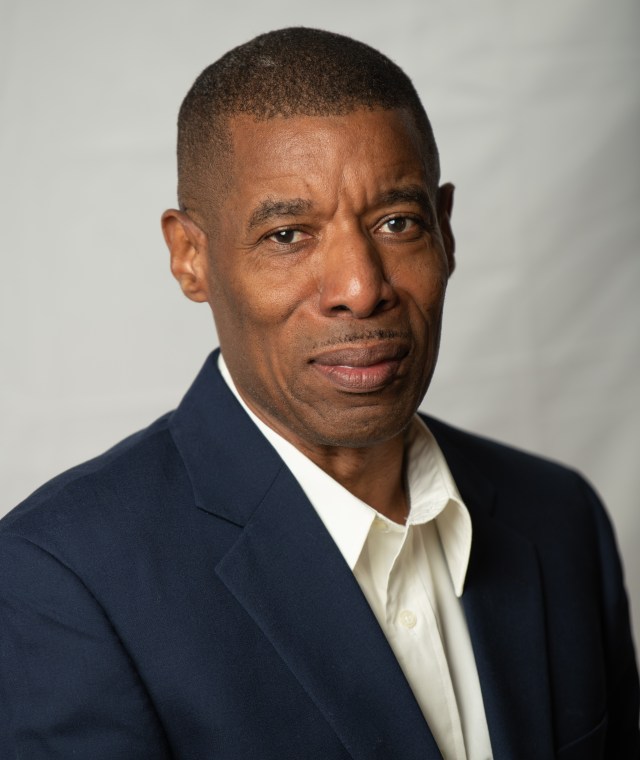
Doc Cunningham
“Da Island Guy”
Sounding Off Social

It’s official, the ‘big game’ is coming to New Jersey. FIFA officials announced that the 2026 World Cup Soccer final will be played at MetLife Stadium in Secaucus. With soccer as the most popular global sport, according to the World Atlas, the rounds of matches leading to the finals are sure to draw major media buzz and fan-demonium. The countries and cultures represented by visiting teams and local communities might easily be found in hometowns in the NY/NJ area.
Countries & Cultures

There’s another big game that gets our attention every February. The NFL Superbowl is seen as the ultimate sporting event in the U.S., with a growing fanbase in many parts of the world. The event also falls during Black History Month, and it seems every year there’s always a cultural issue that’s got folks bothered or hot under the collar. This year it’s those who think there’s too much attention being given to Travis Kelce and Taylor Swift. They’re even pushing conspiracy theories. Then, add-in issues from the presidential campaign trail, and you’ve got folks pondering whether America is a racist country.

All the brew-ha-ha shines a light on America’s divides throughout history. By looking back we’ll see that America was founded with elements of racism in its DNA (e.g. three-fifths clause, etc). In one sense, there were times when the racism was intentional and other times an oversight. Plus, there’re those who look at racism like seeing a glass as being half-full or half-empty. It’s the same glass but viewed differently because of lived experience. But there’s something else about America’s roots. It’s that we’ve got a ‘breakaway gene’ in our DNA. Over 200+ years of trying to live-up to our ideals, we’ve either been trying to break-away from the aspirational or break-away from the detrimental/dysfunctional. We see this playing out with DEI and immigration issues as a battle between the public good vs political tool.
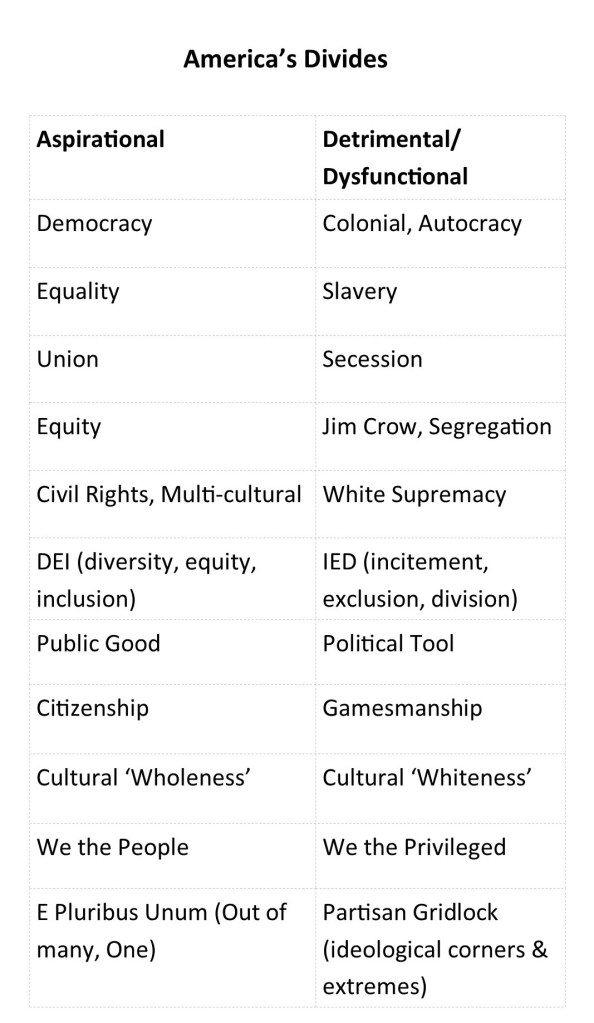
America’s Divides

That’s the crux of America’s divides that seem to get reborn or re-imagined for the good or for the bad as a nation. Maybe the release of the Bob Marley movie might help make sense for how we handle the divides. Marley and his music reached worldwide status because he:

  • Connected with ‘the people’ in songs about the liberation struggle.
  • Watched ethnic battles and civil wars in African countries after their Independence in the 50’s and 60’s, so he didn’t want the same to happen in Jamaica.
  • Was loved by folks across the world and especially in Africa, as a Reggae Ambassador “of service” to people, and admired leader “of value” to gov/biz decision makers.

The popular track ‘Jamming’ was released during the 70s when Jamaica went through a period of social unrest, political division and election tension (sound familiar?). Marley headlined a major concert to help bring the political factions and everyday people under the banner of “One Love” and the idea of “unity of respect and purpose”. It’s from this lived experience that SAIC’s “JAM With Us” (join a movement) initiative is about how we experience more #MojoInAmerica (make our journeys one).
Bob Marley Sketch

Now, going back to sports, when we watch the pre-game coverage of the Superbowl, the commentators share various stats and video clips to help breakdown what we might expect from the players. Similarly, as the presidential campaign season rolls-on, there’re political analysts doing the same for what’s at stake. Well, if we had to breakdown America’s score in 2024 on what makes us tick or fall for the shady trick as a nation, we’ll see that folks get sold false hope. So, to avoid getting caught-up in the conspiracy, disinformation or wild ideas from celebrity newsmakers, it helps to be:

1. ‘Smart’ on Issues

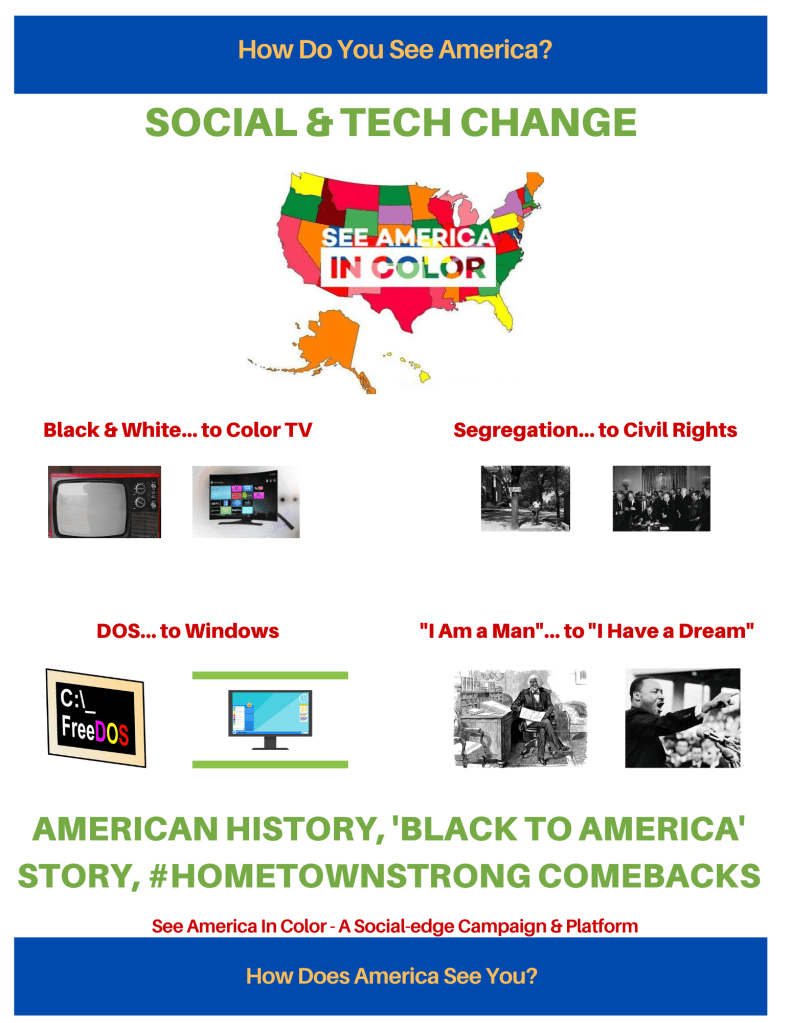
We can break down whether America is a racist country based on if we ‘see America in black & white’ or ‘see America in color.’ In other words, based on how a black & white TV works, it beams a stream of white light with varying intensity. But a color TV beams three streams of colored light (red, green, blue) for the beautiful picture on the screen. There’re those who’d like America to be defined by ‘whiteness’ as the narrative (beam of light). But others want it defined by its history as well as a multi-cultural narrative (streams of colored light). So, if we were able to ‘get smart’ with TV technology, why not on the issues?

2. ‘Juiced’ on Culture
‘Jamaican Rum Punch’

People get ‘juiced’ on culture for different reasons. It could be the music, food, spirits, lingo, social vibe or some combination. But what seems to be happening more often these days is folks getting ‘juiced’ on junk culture. It’s like in the financial world we gotta be careful about junk bonds, or with our health we gotta minimize junk food. In terms of culture, we gotta minimize getting ‘juiced’ by those who’re selling us a junk ‘bill of goods’. Sometimes we gotta know if that celebrity newsmaker or political candidate is talking out of ‘profit or prophet’ reasons when rallying folks in roots & culture. We can minimize getting ‘junked or punked’.   

3. ‘Pumped’ on Movement

There’re many ways to get involved with a social cause or civic engagement. Oftentimes there’s the idea of being part of a movement. When seen in a physical sense, movement gets the juices flowing. It raises blood flow and heart rate which are good reasons to get ‘pumped’. But in a social sense, getting ‘pumped’ on movement relates to having a certain mindset. Throughout history we’ve seen different ‘movements’ of folks wanting to break-away from slavery, segregation, etc. The concern these days is about those who want to break-away from the aspirational to the detrimental, from democracy towards autocracy.       

4. ‘Inked’ on Union   
Signing Day

There’s excitement on Signing Day as athletes announce where they’re headed for college. During our nation’s founding there was another signing day when the Declaration of Independence became official. It announced where our country would be headed. Plus, in another founding document you’ll find that our nation was ‘inked’ on Union with the words “in order to form a more perfect Union”. Whether it’s signing day in sports where athletes from different backgrounds and hometowns plan for a team or signing day in the life of a multi-cultural nation, being ‘inked on union’ has us locked-in on the betterment of the whole.          

So, when the initial round of play in World Cup Soccer begins in a couple years, teams will go through qualifying games in the championship. Interestingly, when the finals happen in July 2026, America will also be celebrating its 250th birthday. The question we gotta ask today…what if we approach the next two years to get ‘smart’ on issues, ‘juiced’ on culture, ‘pumped’ on movement and ‘inked’ on union? Maybe we’ll have a better handle on America’s divides. Maybe we’ll have more #MojoInAmerica. Or maybe we’ll better understand the ‘breakaway gene’ in our DNA towards the greater public good as a nation.  

SAIC’s Acronym List

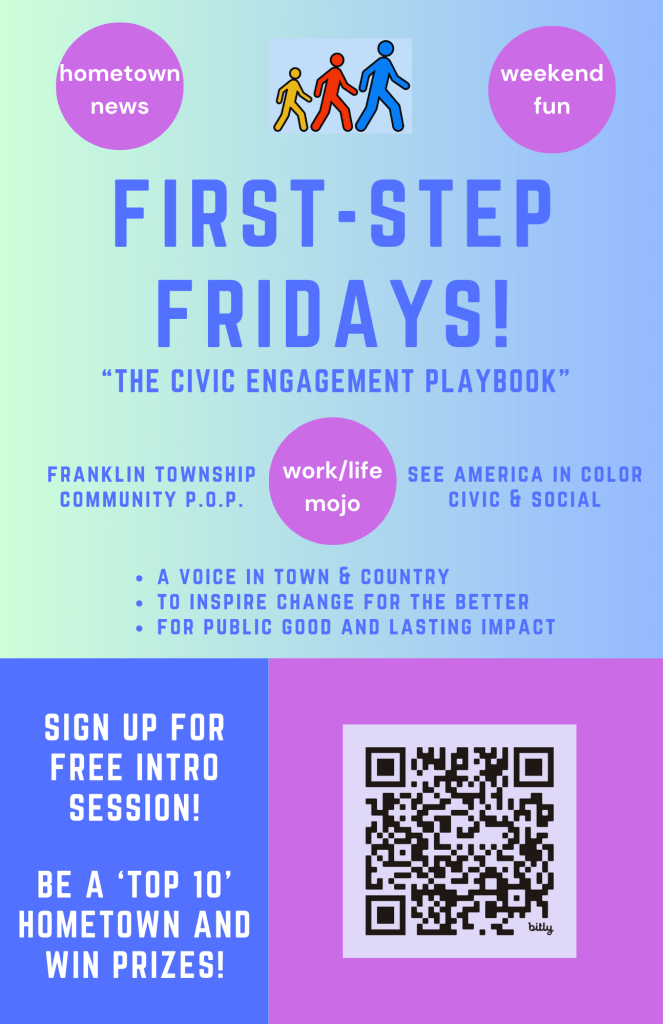
For more on impacting Democracy & Public Good, Education & Community or Entrepreneurship & American Dream, chime-in at the ‘Civic Mondays’ events or Civics & Community forums. Plus, you can “J.A.M. With Us” (join a movement) in civic engagement, social change and community life. Checkout the Signup Center below.

Tracks: Bob Marley & The Wailers – Jamming – https://youtu.be/oqVy6eRXc7Q?si=kgIuPRusJqg4U6nb

India Arie – What If – https://youtu.be/GCKFFitNxy4?si=5aUtrr9ARPDyfIkq

Signup Center

A Promise to ‘We the People’ and Our America: New Year, New Wake-up Call on Working Shoulder-to-Shoulder for Social Impact

Doc Cunningham
“Da Island Guy”
Sounding Off Social

Well, the Top 10 list of best concerts in 2023 is out. Did your favorite artist make the cut? The obvious ones on the list come as no surprise, Pitbull, P!nk, Beyoncé Taylor Swift, and so on. But according to USA Today, U2 was the big winner. Their shows are seen less as a concert and more as an experience.

Concert Experience

So what if we could come up with the Top 10 list of hometowns for civic engagement in America? Would your community make the cut? Here we are in a leap year with the chance to turn a new leaf in 2024. As folks make plans for better health, more travel and higher earnings, we might also see the new year as a wake-up call on working shoulder-to-shoulder for social impact. It starts out by making a promise to ‘We the People’ and our America.

If Dr. King were at the mic he might direct us to scripture for a metaphor that translates in life. It’s like the story of the fishermen being recruited to join the movement of the Son. They were gonna be taught what it takes to be “fishers of men”. In modern day terms, they’d cast their nets to reach those who would consider civics over politics. When you study America’s history, you’ll find moments of progress in the nation were tied to civics, while moments of pain and social strife were driven by politics. The Son used the movement for sharing spiritual insight and a social impact message. As a Baptist preacher, Dr. King might have also applied this and other metaphors to the civil rights movement.

With civics, the focus is on ‘power in the people’. With politics, the focus is on ‘power in the powerful’. The Son would later impress upon decision makers and the people that ‘power in the system’ and those who’re powerful should not overwhelm or disregard or discredit the ‘power in the people’. By going back in time, America was founded on the notion of power in ‘We the People’, with those word appearing at the top of the U.S. Constitution. It’s just that there was a limited view to those who were property owners. They didn’t fully see the nation as ‘our America’. That mindset seems to resurface and gets in the way from time to time.

We the People

Since the new year presents the chance of a do-over, how would we go about fulfilling the promise to ‘We the People’ and our America? Maybe we’d consider that a focus on civics means a new dawning in Democracy, Public Good and American Dream, while a focus on politics might mean more divisiveness, extremism and misinformation. Plus, when it comes to growth & change as individuals or as a nation, there are some things to guard against that could short-circuit our potential: ignorance, immaturity, insecurity, indecision. So, taking a page from the process used by the founders, and updating it for the 21st century, we can chart a course for “our America” and our personal goals by how we:     

1. Write it into Existence

There’s a scripture that says to “write it down, make it plain”. In a sense, that’s what happened during America’s startup. They penned three key documents, Declaration of Independence, Constitution and Bill of Rights. Those serve as the linchpin for our constitutional, democratic republic form of government. Personal development coaches suggest a similar strategy for goal setting. Write it down, make it plain across your mental, physical, spiritual, financial and emotional well-being, spanning a few years. In other words, growing personally or as nation takes some forethought, not just afterthought.   

2. Speak it into Relevance

If you don’t write it down, then at least you gotta speak it into existence/relevance. Those of a certain religious faith believe that God spoke the world into existence with the words, “Let there be..”. What the founders did after the Constitutional Convention was to write/speak America into relevance. They’d write the Federalists Papers and then went on the road telling the colonies what was agreed upon for the new nation. The colonies would later adopt the Constitution as a binding document to govern their affairs as the United States of America. You can just feel the relevance that name holds at home and worldwide.    

Worldwide

3. Lead it into Prominence

A startup nation wasn’t enough, there had to be some action that went along with the message. They’d have to lead the nation into prominence. SAIC is embarking on such an effort through the ‘Civic Mondays’ effort to triumph in social spirit as well as the Civics & Community Forum series across government, education and community. This way you can “JAM With Us” to grow organizationally and organically. The Son went with a similar approach with His rollout. Furthermore, by combining the spiritual and the social is what led to the prominence of the Son’s movement as well as the acclaim of the civil rights movement.    

4. Release it into Brilliance 

Sometimes we’ll see time-lapse pictures of changing weather conditions as a storm moves in and rolls out. We go from sunshine to clouds back to sunshine. What if we could see time-lapse pictures of a flower in bloom? It has access to the natural resources of air, sunlight and water. The flower slowly opens up into its full radiance. What if we could see time-lapse pictures of America as a new dawning in Democracy, Public Good and American Dream? Well, as you “JAM With Us” we’ll bring more civics, more roots & culture into the mix of available resources and watch the nation release into its brilliance.        

Mass Communication Tools

These days it seems like mass communication is often less about informing and empowering, more about click-baiting and entertaining. We need a bit more click-thread journalism. In addition, there’s an overload of politics focused on ‘power in the powerful’ that overwhelms civics focused on ‘power in the people’. We have some who complain and monetize around the problem, but disappear around the solution. The Top 10 list of hometowns for civic engagement will thrive as we write it into existence, speak it into relevance, lead it into prominence and release the brilliance of our best selves as individuals and a nation.    

For more on impacting Democracy & Public Good, Education & Community or Entrepreneurship & American Dream, chime-in at the ‘Civic Mondays’ events or Civics & Community forums. Plus, you can “J.A.M. With Us” (join a movement) in civic engagement, social change and community life. Checkout the Signup Center below.
SAIC Acronyms List

Tracks: Nailah Blackman Ft Lyrikal – Best Self – https://youtu.be/3OGeRodfJ50?si=LPsmWiFeR5HrFwgk

Stevie Wonder – Higher Ground – https://youtu.be/33ZsLGWj1H4?si=vKIc2xyCQPjfQ-N5

Signup Center

Get Smart on the Issues Thru Media and Civic Events: A Deeper Dive for America’s Best Days or Worst Nightmare

Doc Cunningham
“Da Island Guy”
Sounding Off Social

It’s the holiday season and word on the street is that Santa Claus is coming to town! As the ‘bearded one’ makes his way from yonder, many get into the cheer of the season. Meanwhile, others are excited ‘bout the College Football Playoff line-up, Beyoncé’s Renaissance movie release, Taylor Swift’s Eras Tour film or the remake of the Color Purple movie. Those might keep you cuddled-up by the fireplace or big screen.

Fireside Feelings

But during the Hollywood ‘60s, folks were watching the TV sitcom “Get Smart” featuring Maxwell Smart, aka Agent 86. The theme of the show was built around a secret agent who was often making ‘bumbling moves’ in his undercover work. He had gadgets he didn’t handle well, like the phone in his shoes. The technology on the show then seemed far-fetched, but here we are today dealing with ChatGPT and other high touch devices. What if we could make advancements in civics the way we’ve seen happen in tech?

Well, that was a question that helped give birth to SAIC. Yea, there were my own times of ‘bumbling confusion and frustration’ around a series of national news stories which required getting a better handle of the issues. This experience led to a deep dive to extract moments from America’s best days or worst nightmare. The framework that was developed is based on America’s journey of 7 phases (Settlement, Slavery, Independence, Civil War, Reconstruction, Segregation, Civil Rights); 3 communities (Community 1.0, 2.0, 3.0); and 2 questions: (i) how did they overcome the struggle to get their breakthrough, (ii) how did they build excellence to live their best life.

You may be wondering, does that help us get smart on the issues of our time? How might we go from ‘Best-Life 1.0’ to 2.0 to 3.0? Well, think about how we went from black & white TV to color TV to smart TV. We went from a picture based on the streaming of white light, to a picture with three streams of colored light, to a picture with cutting-edge apps and features. Similarly, SAIC’s model is about doing the same with civics, by looking at history and today’s issues not based on just a stream of ‘white light’ but by combining three streams that involve American history, the ‘Black to America’ story and #HometownStrong comebacks. Sadly, some folks don’t want to move beyond the streaming of ‘white light’ as their preferred way for seeing or handling the issues. Moreover, what we see in some circles of public service is more about attention-seeking and chaos, than honor and civic duty.

Get Smart, Next Chapter

So in America and even beyond, we gotta decide whether we want to have the best days or worst nightmare moving forward. That’s what Dr. King and the Civil Rights Movement had to contend with as well here at home. He’s often remembered for saying “the arc of the moral universe is long, but it bends towards justice”. These days, it seems we also gotta bend that arc towards Democracy, Public Good and the American Dream. This might require a gameplan for ‘civics in action’ for the next chapter of America’s story. Plus, if we take a page from Dr. King and the movement, apply it to SAIC’s ‘JAM With Us’ (join a movement) initiative, we’ll need to pack:  

1. Vision for the Assignment/Journey

Ambassador Andrew Young once shared that Dr. King wasn’t initially gung-ho about being a figure-head for the cause. He saw it as an enormous responsibility. But after self-reflection and divine intervention, he came onboard based on a vision for the assignment/journey. It’s like taking a road trip and punching the destination into your GPS. It gives routes based on traffic patterns and congestion. The direct route is often the way to go but it may also show the by-pass around the city. Civics is a direct route for how we get smart on the issues, but a vision can provide a bypass around roadblocks, power-trips and doubts.

2. Leadership for the Movement

It’s amazing how far we’ve come with computing technology. When computers had Windows and macOS added to the box, it was revolutionary in function and user-friendly in application. This was due in part to tech leaders who heard the frustration cries of consumers for how clunky it was to use the early devices. It took leadership in going from black & white TV to color TV, DOS to Windows and flip phones to smart phones. It took leadership to go from British colony to Independence. And it’ll take a shift in leadership and citizenship by listening to the frustration cries of citizens, to make good on America’s full potential.     

3. Message for the Culture

Roots & Culture Freeway

Not only was there leadership with tech advancement, but there was also a message for the culture in the civil rights movement. To hold strong on our freedoms and expand the circle of equity & inclusion we have to be engaged at the ballot box. We gotta turnout for the vote in the same way we wanna ‘turn-up’ at the club or in the stands at an event. Moreover, there’re different lanes we can choose from to level-up our civic engagement game. The civil rights movement was a kinda 4-lane highway where folks would advocate, agitate, negotiate or motivate. SAIC does some of that by weaving through roots & culture.  

4. Teamwork for the Players

Any organization that pulls off a major feat is often a model in teamwork. As the saying goes…there’s no ‘I’ in T.E.A.M. because ‘together everyone achieves more’. The added-value isn’t simply linear but moreso monumental. In football, teamwork is built around offense, defense and special team. But there’s also a rhythm/chemistry and team history that get weaved into the organization’s culture. SAIC’s approach to civic engagement and teamwork brings 3Rs: roots to the culture, rhythm to the civic action and realness to the message. This way we can win big for campus, company, community and country.      

Dreamer’s Journal

In the recently released biopic film “Maxine’s Baby”, Tyler Perry shared how he was a loner as a young boy. He’d hide in his house cellar to avoid the emotional abuse he experienced. But then he had an ‘aha’ moment from watching the Oprah Winfrey Show about keeping a journal. This opened up his mind to bigger goals and larger dreams. Sometimes this website reads like a journal too. It’s really a snapshot of SAIC’s vision for the assignment/journey, leadership for the movement, message for the culture and teamwork for the players. And when different colors and cultures come together, beautiful people say yes!

For more on impacting Democracy & Public Good, Education & Community or Entrepreneurship & American Dream, chime-in at the ‘Civic Mondays’ events or “J.A.M. With Us” (join a movement) in civic engagement, social change and community life. Checkout the Signup Center below.
SAIC Acronyms

Tracks: Sia – Together – https://youtu.be/vnfGni4_RlI?si=PsbQn-YEl3Vrt_x_

Rihanna – Say Yes – https://youtu.be/XZBk7LZGpJk?si=jjJvMtj6x_Woad2c

Signup Center

Civic Mondays Postcard

Moving Towards Our Civic Destiny: 4 Ways to Take Action on the Block or Make a Difference in Your Hometown

Doc Cunningham
“Da Island Guy”
Sounding Off Social

Is this a good time for some holiday trivia as we move into the festive season? First question, after Halloween comes…Thanksgiving or Christmas? Well, the answer might depend on where you shop. Back in the day there was a sense that Christmas could wait until after Thanksgiving. These days, holiday decorations are on display long before Halloween, while Black Friday media ads were running right after.

Merch on Sale

This marketplace dilemma could be viewed as a cultural snapshot of the unfolding of America’s story. Consider that the first group of settlers who were British merchants arrived in 1607. They were looking for new markets to trade goods. The first group of pilgrims/puritans landed in New England around 1620. They were yearning for reform and belonging. Thanksgiving took a page from Native Americans’ celebration of harvest that the pilgrims adopted as a celebration of safe passage across the Atlantic. Then, Enlightenment Age sentiments spread across Europe and the New World as America charted its Independence, going from merchants to puritans to patriots. Of-course, while all this was happening, in 1619 the first group of Africans were brought to Virginia, which later led to the transatlantic slave trade.

Over those first three phases in American history (Settlement, Slavery, Independence), America has seen its tug-of-war in ideology around different forms of governing. This includes monarchy, theocracy and democracy. But it’s the latter that’s seemingly under assault from different factions of the other two, which presents a heightened level of concern. Democracy has so far been able to prevail because there were those among the Founding Fathers along with citizens and public officials who were focused on moving towards our civic destiny. Interestingly, the Middle East tension we see is a reflection of the battle between similar forces of monarchy, theocracy and democracy.

If SAIC had to chime-in on the matter, there’d be 4 points of notes for a viable solution:

  • History:- things didn’t start overnight but have been brewing over many decades of distrust.
  • Hate-sight:- while insight might bring self-awareness, hate-sight can lead to group awareness.
  • Humanity:- the idea of ‘inalienable rights’ is made real in basic human needs for survival.
  • Hope:- with hope there’s a sense for tomorrow. Without hope there’s little feeling for tomorrow. 
Middle East Tension

These reference points might be useful for resolving ongoing conflict there or elsewhere. They might also be a catalyst for change in the next phase of America’s unfolding story. We’ve got some issues too that if allowed to fester, could become the kinda incessant stalemate or social imprint we see with overseas instability. Think about how large bills in American currency have a watermark to distinguish the real from the fake. The internal image is superimposed within the bill. Similarly, America (or for that matter other countries too) have a social imprint based on its history and legacy, that’s superimposed into the culture.

It’s why SAIC’s efforts with civics is about delivering content and programming that help shed light on roots & culture. In addition, we’re engaging with those who wanna make a difference in Education and Community, Democracy and Public Good, maybe even Entrepreneurship and American Dream. This collaborative approach spans Government, Business, Education and Community with those who’re onboard with moving towards our civic destiny. So while election activities are tied to civic participation, our overall civic engagement should involve:        

Civic Engagement Thread

1. Voting

An important way of having our voices heard happens at the ballot box. We choose from candidates running for office at various levels of government. Voting as a civic right represents the most basic form of service as citizens. It’s a way to show-up in the process. Moreover, voting as a franchise is a collective stand on who we think best represents our values and wishes. Throughout history, the chance to vote has been used as a wedge issue against certain groups. This is a problem even in modern day America where fear and false narratives are used to deceive, distract or disenfranchise those groups.

2. Crafting

Imagine if before a game, a team’s coach presents a narrative that if they lose it’s because there was point-shaving happening in the game. We wouldn’t think highly of that coach. Well, since the last presidential election, that’s basically what we’ve seen. There are those pushing a narrative that has become its own conspiracy. Instead, what we should be doing as citizens is crafting a vision or a set of options such that whether our candidate wins or loses, we’re still in a position to win as ‘we the people’. SAIC has such a strategy built around the ‘MVP Club – Many Valuable Parents for the Win’.

3. Vibing

Battle of the Bands

As holiday celebrations ramp-up around Diwali, Thanksgiving or Christmas, there’s something about the parades or football games that we enjoy. Maybe it’s watching the battle of the bands at halftime, or the pageantry of the bands at the Thanksgiving Parade. They get to vibing on the field or up the block while strutting their stuff. The different groups of horns, drums and percussions bring a ‘common sound’ that puts us in a groove or the holiday spirit. What’s it gonna take as citizens on vibing across government, education, business and community? It’s strutting our stuff in a direction that builds on common ground.

4. Impacting 

There’re athletes who are drafted and others who’re walk-ons. Drafted athletes get much of the mainstream attention for their track record of performance, whether on offense, defense or special team. Walk-on athletes aren’t initially seen as a ‘prime choice’ but after a while they find ways to impact the game. SAIC might be understood in a similar way. We’re not necessarily viewed as coming from the stock of celebrity, corporate exec, cable media personality or industry official. But as founder, the approach of yours truly has been about impacting the civics game with offense or defense like a special team player.   

So how do we get past ideological tug-of-war brewing in America? Well, SAIC came out of a deep dive in American history, the ‘Black to America’ story and #HometownStrong comebacks. This allows us to build civics content and programming for a new & improved version of America’s social imprint. Moreover, we affirm the idea that voting isn’t the only form of civic engagement. It’s also gonna require crafting, vibing and impacting efforts that take action on the block to make a difference in your hometown. We can move past any stalemate, building on common ground and shared purpose that flows like water.  
For more on impacting Education & Community, Democracy & Public Good or Entrepreneurship & American Dream, chime-in at the Civics & Community Forum Series or “J.A.M. With Us” (join a movement) in civic engagement, social change and community life. Checkout the Signup Center below.

Issues Tug-of-War

Tracks: Alicia Keys – Like Water – https://youtu.be/wSLtwTzlMGs?si=k0VH_n4-dJrkc5cS

Skip Marley – Life – https://youtu.be/0h_VHiQmnR4?si=yVUSX_8qPSk8IT9-

Signup Center

This is How You Do ‘Public Good’: To Prevent the Sinking of Democracy, Spreading of Demagoguery and Killing the Soul of the Nation

Doc Cunningham
“Da Island Guy”
Sounding Off Social

Well, word on the street and in sports media is that the NFL’s got a problem. The season’s primetime schedule includes many games featuring the NY Jets. But the injury to Aaron Rodgers has put the league in a bind. While that story got big media coverage earlier, it’s now eclipsed in pop culture by the Taylor Swift Travis Kelce buzz. However, NFL honchos wanna keep their focus on pro football as a brand.

Brand Satisfaction Guarantee

How ‘bout some other issues on the front burner? With local races and the Presidential election’s pre-season of debates and campaign events getting ramped-up, there’s simmering anxiety across hometown America. As a country, it feels like we’re in a daze. The ‘fog of war’ overseas in Ukraine, ‘fog of culture war’ here at home and fog of government shutdown drama. While that stuff’s been getting all the media coverage, we wanna keep our focus on America the Republic as the brand.  

From surveying the landscape, it seems there’s a decreasing sense of ‘public good’ that’s hurting us as a society. We see it affecting businesses closing locations due to concerns in safety and theft. We see it with public officials who’re more interested in being social media stars than serving the public good. Clearly, if we lose sight of America the brand and move away from ‘democracy & public good’, it could be to our peril or demise as a nation, and here’s why.

After the events of 9/11/01, a commission laid out recommendations along two tracks:

  • Criminal accountability for those responsible.
  • A National Response Operation to address air travel safety & security.

Many involved in the World Trade Center (WTC) attack ended up in confinement or incarceration. What we know today as the TSA was a national response. Officials determined that safety and security in air travel was beneficial to all. The TSA now functions as a standard ‘public good’ for airports at home and abroad. Fast forward 20 years to 1/6/21 and we’ve got a similar dilemma. But is there a National Response Operation to support democracy and public good as a standard at home and abroad?

World Traveler

For some perspective, those of us who’re immigrants left our country for opportunity and the American Dream. We didn’t leave to then watch the sinking of democracy, spreading of demagoguery or killing the soul of the nation. If it was important to have a national response around safety & security after 9/11, it’s equally important after 1/6 to have a similar push in Democracy & Public Good. Can’t just leave it to a Presidential speech. It’ll take all of us across government, education and community by how we make a difference as ‘we the people’ towards:

1. Country

Throughout our history, there’ve been moments of challenge due to wars, tragedies, natural disasters and political strife. But we live in a time now where there’s an undercurrent of grievance that, like a software bug, can get in the way of functioning properly as a family, organization, community or country. Are we gonna fix problems or just patch edges? Recently, 13 Presidential Foundations took a stand for country with a heads-up warning. They span decades of political leadership across party affiliations. They’ve called on citizens and elected officials to stand-down on divisiveness and stand-up on democracy.

2. Constitution

Capitol Center

The first order of business as a nation was the Constitution. It serves as a linchpin keeping things together as the world turns. It helps us manage the interrelatedness of different parts of government function. This would make sense to Benjamin Banneker, a noted player from black history who published almanacs and was on the survey team that founded Washington DC. According to his family member, he felt “the interrelatedness of things in life is the world’s greatest truth”. In terms of government, that speaks to the Constitution. It’s also why a key to SAIC is connecting the dots across history, civics and culture.

3. Citizenship

There’s an expression which says, “you live life forward and understand it backward.” In a sense, culture helps us live life forward, history helps us live life backward. So how about civics? Well, it helps us raise our game as residents and citizens. In other words, civics is the practice by which we live life forward and understand it backward as a nation. But these days, some just want to have power, not bring solutions. They look past public good and do things that give the illusion of public service or citizenship. It just looks and smells bad which reflects poor ‘social hygiene’. A higher level of citizenship is best for social hygiene.

4. Common Purpose  

Die-hard fans know sports bring out the happiness in us. Oprah learned something similar from chats with her Talk Show audience over 25 years. They said that happiness was their #1 pursuit. Maybe the founders were on to something when they coined ‘Life, Liberty & Happiness’ as an important national ideal and pursuit. So, what if we did a reset in how we approached happiness as a common purpose in America? We may gain new appreciation for being “land of the free and home of the brave.” Add-in how SAIC’s work tied to a common purpose also means being ‘voice of the times and model of the dream.”

Life, Liberty & Happiness

So, is it settled news that Kelce and Swift are an item? Maybe they wanna keep folks guessing. Similarly, is it settled whether we have democracy on lock? If we’re still guessing, then maybe we gotta deliver more public good and make a difference as ‘we the people’. These days there’re folks in some circles who operate more out of sabotage than collaboration. While politics is sometimes based on how you play the game as a power grab, civics is how you raise your game as a public good. If you’re wondering “What Now America”, let’s have public good on deck, to live-up to our ideals of greatness and American Dream.  

“What Now America!” To find out more about ‘Democracy & Public Good’ or the Civics & Community Forum Series or how you can “J.A.M. With Us” (join a movement) in civic engagement, social change and community life, checkout the Signup Center below.

Tracks: Babyface and Trisha Yearwood – Change the World – https://youtu.be/SjUFRhARAHs?si=Eqi8cPkK9B95FWk_

Libianca – People – https://youtu.be/rJWdfDPZ9Ck?si=LTajS0wN_fokg8di

Signup Center
The Road Less Traveled in Social Impact: A ‘Retail Civics’ Guide to Tamp-Down the Miseducation in America

Doc Cunningham
“Da Island Guy”
Sounding-Off Social

It’s back-to-school season! Many already begun taking notes and prepping for their first skills test in the classroom or on the field. Parents, teachers and admins might have fresh ways to make sure students are ready for the school year. There could even be a catchy phrase that’s kinda back-of-mind motivation, like one made popular this summer by a U.S. Track & Field athlete who said: “I’m not back, I’m better”!  After some time off the radar due to a suspension, she has stormed back to live up to those words. That’s the energy of someone making their own personal discovery.

Back-of-Mind Motivation

What if we approached the school year, sports season and life’s work calendar in a similar way? It might help by looking at where there’s room for improvement. For starters, according to the Nation’s Report Card, Eighth Grade U.S. History scores hit its lowest point since 1994. Furthermore, civics scores have declined as well. Interestingly, a polling company found that the idea of ‘a civics comeback’ in America has bipartisan support. Many of those polled think civics is more important now than it was five years ago.

From a social issues standpoint, we’ve already had horrific news in Jacksonville of hate driven by racist ideology. According to a previous Dept of Homeland Security assessment, the #1 threat facing our country is white nationalism and domestic terrorism. But what we sometimes overlook as a nation is the #1 challenge we face: the miseducation of ‘we the people’. We see it in some candidates for public office who offer slick talking-points that are high on buzzwords and low on substance. They’re using ‘retail politics’ to impress the public for their vote, not necessarily to advance the public good. Plus, symptoms of a deeper ‘sickness’ as a nation are in not preventing resentment/grievance from becoming unhinged.

History reveals where there’s miseducation it allows for hiding the cruelty of the past to then justify the cruelty/hypocrisy of the present. This connects with a segment of ‘we the people’ that’s often unprepared on how to handle grievance. Thus, miseducation is used as a strategy for mobilizing or monetizing around a victim mentality. Such a mindset leads to missed opportunities at best and madness at worst. We saw it with the civil war then and ongoing culture war battles now. It’s even playing out today where rallying a group of citizens to attack the tenets of democracy and institutions of a republic is naively viewed the same as protesting around social justice and getting arrested. Now, if you’ve been watching across the globe, a similar pattern exists in countries dealing with tribe/ethnic grievance and anti-democratic forces.

Road Less Traveled

With those observations made, SAIC’s deep dive in American history, the ‘Black to America’ story and #HometownStrong comebacks is focused on ‘Retail Civics’. Whether through the Civics and Community Forum series or other exciting civics-based programs, we’re taking the road less traveled in social impact to help tamp-down the miseducation in America. We see miseducation occurring through omission (distorting black history), intimidation (hate, bias, threats), disinformation (spreading false narratives) and exploitation (turning facts into foolery and foolery into ‘facts’). So SAIC’s efforts to forge synergy around democracy & public good, entrepreneurship & American dream are guided by our:      

1. True Colors

There’s a whole setup process for streaming TV vs cable TV. Similarly, there’s a whole setup for how to ‘See America In Color’. You’ve gotta make the switch from a stream of ‘white light’ where the picture might be a grainy mix of black/white/gray, to three streams of colored light for a new & improved picture. With some social adjustments, you’ll have ‘true colors’ combining American history, the ‘Black to America’ story and #HometownStrong comebacks. By connecting the dots across history, civics and culture, you’ll have a crisper picture of the issues. SAIC’s ‘streaming model’ helps to show our true colors as a nation.

2. Engagement

Before getting married, couples often go through an engagement period. This signals their intentions on taking a big step in commitment. It can also be a time for working out the ‘kinks’ before tying the knot. With SAIC, we’ve been working out the kinks on our intentions for taking a big step of commitment to democracy & public good, entrepreneurship & American dream. Our Civic engagement is inspired by ‘vows’ in SAIC’s Declaration of Emergence: “We hold these truths to be self-evident that all are created equal, and are endowed with basic values, civic ideals and inner assets to live our best life”.

3. Mobilization

Smash Grab Burglary

What would cause a bunch of folks to storm a store to ‘smash and grab?’ Is it a different kind of grievance, misplaced purpose or another example of miseducation? Moreover, what would cause someone you grew up with, to become a ‘lone wolf’ neo-Nazi killer of black people? What’s the mobilizing thrust behind these actions? It’s likely a matter of what’s feeding their minds. Well, those who’re willing to take the road less traveled will be mobilized around a common bond, shared identity and larger purpose. As a nation our mobilization can be one of choosing public good over ‘power play’ to see better days.

4. Story  

America’s story is simple yet wrapped in struggle. Folks left European lands for a better life. They arrived in Jamestown or on Plymouth Rock after viewing it from afar as a shining ‘city on a hill’. Generations followed a similar path to freedom while others brought here forcefully had to fight for theirs. From these journeys are stories of grace, guts and glory. Even with isms & schisms that rear their ugly head, there’s often a silver lining or light at the end of the tunnel. SAIC’s intentions around democracy & public good, entrepreneurship & American dream will have its own story across the miles and down to the last mile.      

Founding founder James Madison said, “Knowledge will forever govern ignorance: And a people who mean to be their own Governors, must arm themselves with the power which knowledge gives.” In other words, knowledge is power, not ignorance. So America, wanna fix problems through civics, or exploit them through politics? We can’t look the other way of easier access to bullets and harder access to ballots or books. A civics comeback is showing our true colors, being mobilized by public good and turning grievance into a better story. Let’s squash miseducation and feel like a million-dollar success!     

Money Stash

To find out more about ‘America from 0 to 250’ and the Civics & Community Forum Series or how you can “J.A.M. With Us” (join a movement) in civic engagement, social change and community life, checkout the Signup Center below.

Tracks: Lil Durk Ft J. Cole – All My Life – https://youtu.be/8DP9T2piyJ8?si=A6HGzLN8ZYUvwEQm

Whitney Houston – Million Dollar Bill – https://youtu.be/wNIcVTmUSOU?si=-eEK3tJPhKMCi7He

Signup Center

A History-Making Reason for Being a Better Nation: Why Dr. King Had a Dream Rooted in the American Dream

Checked your calendar lately? As civil rights organizations and professional service groups wrap-up their national conventions, women’s World Cup soccer squads ramp-up their play. Teams from all over the world are competing for the grand championship of women’s sports. The US women who’ve already made history, have set their sights on making even more. But a hot topic of discussion at the conventions might have been around Black History curriculum.

Soccer Frenzy

With media attention on Florida these days, many remember past events including the ‘Groveland Boys’ case back in 1949, where four black boys were falsely accused of raping a white woman and beating-down her husband. There was a time the state was like the lynching capital of the deep south, which also included Mississippi and the death of Emmett Till on August 28, 1955. That event further enraged folks which led to Rosa Parks and the Montgomery bus boycott in Alabama on December 5, 1955. A few years later saw the March on Washington and Dr. King’s ‘I Have a Dream’ speech on August 28, 1963.

While the US women’s national team hopes to make history, other folks want to re-write or ‘sugarcoat’ history. There’s a difference in how we experience history. What we’re watching in soccer is lived history. We’re able to see events and celebrate moments of guts and glory. Then there’s learned history where we look back on the past and work to not repeat the same mistakes. Plus, we reflect on moments of valor and vision around American history, the ‘Black to America’ story and #HometownStrong comebacks as examples of service, commitment and excellence. That’s one aspect of the value of SAIC as a social-edge campaign/platform, to bring a better picture of civic/social issues for a high level of citizenship.

Furthermore, SAIC offers a game-changing reason for being a better citizen in the same way that Dr. King and the civil rights movement gave us a history-making reason for being a better nation. Ever wondered why America has always been a magnet for citizens from the world over? In short, folks wanna be part of a legacy story, to have a real engaging story of their own. So, what’s it gonna take to ‘crack the code’ for a movement in public good, entrepreneurship and the American Dream? Maybe we can pull-in ‘lived history’ from a Gen Zer who’s good at solving the Rubik’s cube by having colors in formation.

Rubik’s Cube

Or maybe we can pull-in some ‘learned history’ taken from Dr. King’s ‘mountaintop speech’ where he said, “The nation is sick. There is trouble in the land, confusion all around”. These days we’re dealing with culture wars around history & books. Tragedies around fentanyl & mental health. Trafficking of disinformation & hate. Concerns with democracy & divisions. By re-imagining Dr. King’s words, SAIC believes “America’s got a fever because it’s fighting something”. This ‘new & improved’ view of things is gonna help us ‘crack the code’ for a new level of civic engagement in America as:

1. An Idea (Freedom & Equality)

The country was born during a period of enlightenment in the world. The founders saw the chance for a new beginning in the idea of freedom and equality. We can all relate to having an idea that takes root in our psyche. The founders planted that idea like a seed in the soil. The hope was for the seed to take root and bear fruit in civic ideals, simple values and inner assets. But a ‘disease’ (as seen with crops) infected the hearts, minds and souls of the those who turned slavery into a people-as-property enterprise. That original distortion re-infects us at times like an infestation attacking the ‘stalk of America’.

Stalk of America

2. A Dream (Self-Determination)

Not only did the founders have an idea they also had a dream of self-determination, of maybe even going from ‘rags to riches’. We saw a recent example of that in the story of Michael Jeffery of D.C. who lost his jobs at a Waffle House and a clothing company during the pandemic. He ended up living in a tent under a bridge for two years. Fast-forward the story, we learn Jeffery went back to get his high school diploma and became valedictorian of his graduating class. He’s now enrolled in college for legal studies. He has a dream of self-determination in saying “Who thought I’d be studying legal studies, right? There was no hope in this tent, but I found it, so you can see how far I’ve came and how far I will get.”

3. An Experiment (Democratic Republic)

America wanted to move away from the control strings of a monarchy. Folks no longer wanted to be beholden to a King. The founders launched an experiment as a democratic republic. That was confirmed by Benjamin Franklin at the end of the Constitutional Convention when he was asked by a bystander, “what do we have, a monarchy or republic?” His response, “A republic, if you can keep it”. With a milestone anniversary of our Declaration of Independence on the horizon in a few years, let’s hope we can report back to Franklin on how “America from 0 to 250 has kept our republic intact”.

4. An Alliance (Original States)  

The revolutionary war had many battles. We came out of that period with a ‘startup’ effort in advocacy and synergy. Folks worked on building ‘A New America’ in going from colonies to states. Even with the initial ‘civic battles’ among the founders that saw rifts between the federalists and anti-federalists, they still put some cornerstone things in place, like founding documents, federalist papers, ‘E Pluribus Unum’ mantra, movement of a people. The new alliance has had its black-eye moments of slavery, trail of tears, Jim Crow, Japanese internment camps. So, let’s ensure lived history benefits from learned history.   

Dream Marchers

With the 60th anniversary of Dr King’s ‘I Have a Dream’ speech upon us, we can apply learned history. King’s words from another time remind us “there’s no greater danger in all the world than sincere ignorance and conscientious stupidity”. If we were to re-imagine those words, he might say, “America, where is your soul? Show me your soul”. What’s the answer that might best describe who we are as a nation? Well, from hometown to hometown, let’s kickstart a new phase around advocacy/synergy in public good and democracy, entrepreneurship and American Dream. Should we wait for you?   

To find out more about ‘America from 0 to 250’ and the Civics & Community Forum Series or how you can “J.A.M. With Us” (join a movement) in civic engagement, social change and community life, checkout the Signup Center below.
Tracks: Lalah Hathaway ft Robert Glasper – Show Me Your Soul – https://youtu.be/CCrtk3z_CrM

Tems – Wait for You – https://youtu.be/Qa1IaUywiO8

Signup Center

(Part 3) The Hometown Effect of ‘Field Work’ to Impact a New Season of America: Making Waves from Coast to Coast that Move Us to the Next Level

Doc Cunningham
Da Island Guy
“Sounding Off Social”

In the blink of an eye, America went from a moment of cheering to one of jeering. First it was with news of a perfect game in major league baseball by Yankees pitcher Domingo Germán. Such a feat happens few and far between. Then came word that the Supreme Court struck down Affirmative Action with a 6-3 vote. The pendulum swing in emotions was like going from elation to frustration in one swoop.


Pendulum Swing

Not much time or editorial room here to get into the weeds on the rise and fall of Affirmative Action. Just know that there’s lots of personal experience from yours truly with the matter. Those who’ve been following the rise of SAIC know it was born out of a series of national news stories that led to a deep dive in American history, the ‘Black to America’ story and #HometownStrong comebacks. Add to that my own immigrant life story and I’d summarize things as follows:

  • The fact it took 232 years for Justice Ketanji Brown Jackson as a black female to be on the Supreme Court proves the ‘why’ for Affirmative Action. Unfortunately, it took so long because America sees black women first by race, then by gender. BTW, did you read her powerful dissent?
  • Affirmative Action should be understood as a remedy for disadvantages of past history, and as a guardrail with ‘checks & balances’ that ensure present and future balancing of advantages.
  • A broad view of 14th Amendment clauses is: “those who’ve historically been disenfranchised should have equal protection so their rights aren’t denied or dreams deferred.”
  • If we get rid of race as a colorblind factor, does that mean we’ve gotten rid of ‘race supremacy’ or ‘white signaling’ as a color-complex dilemma that’s existed throughout America’s history?

Some folks tend to say race is not a factor in socio-economic disparities. They use that mindset as an excuse to then say there’s no need to have race be a factor in the remedy. But even beyond those key points, Affirmative Action is to black history as Immigration is to American history. In other words, in the same way that the Immigration and Naturalization Act of 1965 made it possible for many like me to come to America (my first visit in 1979), Affirmative Action made it possible for more of us to have the chance to make bigger contributions to America. What’s wrong with that?

Just think, without those two policies you’d probably not be hearing about See America In Color, a social-edge campaign/platform that connects the dots across hot-button issues. So what does it all mean? How does this affect the college campus, job openings, promotion chances or a new season of America? Well funny you should ask. We can take a page from history to help chart the next phase in America’s story. With folks popping bottles as fireworks light-up the skies on Independence Day, let’s zoom-in on some of the ‘field work’ that it’s gonna take to make waves from coast to coast.

Fireworks Show

By highlighting certain lessons from the past, we know there were those whose focus was on expanding “Life, Liberty and Happiness” ideals. In some respects, they exemplified the ‘movement of a people’. In addition, as time went by some understood that “when America tries to forge more inclusion by extending rights to new groups, others tend to have anxiety and there’s a kinda ‘backlash response’ to reverse progress.” So SAIC’s “J.A.M With Us” rollout (join a movement), like the abolitionist and civil rights periods before, or similar movements of the past, is about how we:    

1. Instruct the Times

Two phrases infused the civil rights movement: (1) We Shall Overcome (2) I Have a Dream. The first was a rallying cry to keep fighting for job opportunities, voting rights, social justice, better housing. The second taken from Dr. King’s March on Washington speech which focused on economic evangelism, social activism and hope over skepticism. The slogans helped to instruct the times such that we’d meet the moment and not miss the mark as a nation. SAIC’s ‘Mojo in America’ slogan (make our journeys one) serves a similar purpose. It connects Independence Day on-paper to our better days in practice.    

2. Disrupt the Game

Sibling Squabble

America is indebted to the ‘Black to America’ story, not in an arrogant way, but historical way. That’s what Dr. King might have meant about a ‘promissory note’ returned as insufficient funds. Plus, the Affirmative Action ruling could be seen as trying to balance sibling squabbles or rivalry. One (white) child feels the other (black) child gets the attention. Parents try to give children equal opportunity, not necessarily same route. Sometimes, they’ll have to put their foot down or recognize if a child’s dealing with issues of self-love, self-identity, self-image. So America, sometimes a movement is a way to put our foot down and disrupt the game (while calling out issues of hate & bias, etc).   

3. Inform the People

Just like there’re dueling sides to sibling squabbles, there’re dueling sides to the culture wars we’re currently seeing. One side seems to want to confuse or inflame the people. The other side wants to inform and inspire the people. One side is about ‘government of the people, by the people and for the people’. The other side is about government of the ego, by the ego and for the ego. Some say education is the dividing line between race and class issues. Well, SAIC believes civics is the dividing line between conspiracy and democracy, between ‘Old America’ and ‘Mojo in America’.   

4. Empower the Nation & World  

Affirmative Action was ruled as unconstitutional. What gets overlooked is it was designed as a constitutional remedy to America’s past of slavery, sharecropping, segregation, etc. Furthermore, a few years ago the Court struck down parts of the Voting Rights Act by removing sections that required federal government pre-clearance before making changes to state voting laws. We saw what happened in many state legislatures adding more restrictive laws. From the time of our founding, we learn that the movement of a people is often about empowering the nation through better governance and perfecting the Union.  

Court Ruling Study

So, did the Court’s ruling instruct the times or miss the moment? Their decision is gonna be studied for years to come. Meantime, what we can do is disrupt the game where some use race as a wedge-issue in political campaigns but object to the use of race as an edge-issue to level the playing field. Bob Marley once sang about the ‘movement of a people.’ Well, how ‘bout focusing on how we inform the people in ways that hone knowledge and boost self-love, not distort the truth? They say success is a journey, not a destination. Let’s get moving in the ‘hood, ‘burbs & countryside on ‘field work’ for a new season of America!    

To find out more about ‘America from 0 to 250’ and the Civics & Community Forum Series or how you can “J.A.M. With Us” (join a movement) in civic engagement, social change and community life, checkout the Signup Center below.

Tracks: Nupah – Self Love – https://youtu.be/uveBMpCfgAU

H.E.R. – Journey – https://youtu.be/bTWftRNdU3w

Signup Center

Civics & Community News

(Part 2) The Hometown Effect of ‘Field Work’ to Impact a New Season of America: Making Waves from Coast to Coast that Move Us to the Next Level

Doc Cunningham
Da Island Guy
“Sounding Off Social”

Well, the results are in! After final exams the class of ’23 took the stage to receive their diplomas. As they look back over the past few years of Covid disruption, there’s a sense of relief and exhilaration. Each graduate might remember the touch-and-go moments that kept them sleepless at night or restless in the morning. But there they were basking in the glory of going to the next level.

Class of 2023

Those weren’t the only results celebrated. We know American Idol crowned its 21st winner in 18 year-old Iam Tongi of Hawaiian heritage. The Scripps Spelling Bee had a new winner in 14 year-old Dev Shah of South Asian descent. Then there’s the Disney movie The Little Mermaid and 23 year-old Halle Bailey pulling-in major box office dollars. It’s the first time that role was played by an African American. Some thought the movie would only rake-in around $10 million during opening weekend. Instead, it earned over $100 million during initial release and $300+ million worldwide to-date.

While those are breakout results, there’re other numbers we gotta breakdown. When it comes to civic/social issues we know about 30%-40% of the population don’t vote. There’s 20%-30% of the electorate that’s caught up in grievance based on distrust in government. We’re six months into 2023 and there’ve been just about as many mass shootings as the number of days in the year so far. Plus, each day there’re 100-120 tragic firearm-related incidents. The combination of news-making events around violence, hate & bias, culture wars, disinformation, etc, often involves folks ages 15-30. Culturally speaking we have exhilaration and frustration as a contrast of life in America.

We’ve seen a similar playbook before, but in the tech space. When the personal computer first arrived on the scene, there was exhilaration for what it offered, but also frustration in using it. Folks complained that the commands were hard to remember, or it could only do one thing at a time, or that it took too long to respond with results. Tech leaders heard those ‘cries of concern’ and came up with a new & improved platform that would be a user-friendly, point & click, multi-dimensional tool. They built it with a graphical user interface. We also saw this ‘change model’ repeat itself when smart phones took over from push-button devices.

Deep Dive Discovery

SAIC went through a similar process of discover, remedy and recovery. This was inspired by a series of national news stories between 2012 to 2015 which led to a deep dive in American history, the ‘Black to America’ story and #HometownStrong comebacks. It provided a level of discovery around civic/social issues. Then, lessons from the tech world were looped-in to create a campaign/platform in civic engagement, social change and community life so folks would have a better handle of hot-button issues by how they ‘see America in color’, not just in black & white. The initial research work got turned into ‘field work’, designed to impact a new season of America as a #HometownStrong Community Model that’s:     

1. Educational

The basic education route is the traditional track from pre-school to post-secondary. There were times when many in the population had limited educational opportunity. The value of education is in expanding knowledge. This helps to reduced ignorance. Where there’s ignorance the void is sometimes filled with grievance or incompetence or intolerance. SAIC isn’t only about closing those gaps in the normal/formal education track, but also delivering breakthroughs in learning. A breakthrough in learning is more than just having the knowledge. It’s about the wits that lead to inspired learning and game-changing results.  

2. Social

Social & Emotional Learning

A growing part of K-12 education is social & emotional learning. This means complementing ‘book smarts’ curriculum with ‘inner smarts’ group instruction. In the professional world it might be understood as having ‘hard skills and soft skills’. Well, SAIC’s #HometownStrong Community Model has a similar approach for achieving a higher level of citizenship. Plus, it helps to answer the question, how do we become stronger citizens with a greater sense of the public good? It’s why the platform delivers content services and upbeat programs that connect the dots across history, civics and culture.

3. Developmental

Most pro sports leagues have a ‘farm club’ or developmental squad. Athletes can flush-out their game skills before going to the next level or even the big leagues. But where do citizens go to flush-out some of their knowledge and expertise in the issues? SAIC’s #HometownStrong Community Model spreads know-how and show-how on being a stronger citizen. This way we’re not easily swayed by disinformation or fooled into being disenfranchised. An engaged electorate means a vibrant democracy. A vibrant democracy means folks understand lines-of-service across public officials and everyday citizens.    

4. Multi-Cultural  

A key factor for computers and smart phones gaining wider consumer acceptance was in being multi-functional. A computer allows the user to have various windows open with different tasks happening in foreground and background. With smart phones you can talk, text, stream and surf almost at the same time. SAIC as a campaign/platform is multi-dimensional and multi-cultural too. The content services and upbeat programs are built around roots & culture, hopes & dreams, civics & demographics. In combining key threads from history, it’s like the RGB (red, green, blue) of color TV for the nice picture we see.  

What can we learn from social/tech changes of the past? Well, tech leaders brought the courage and ‘smarts’ to move things from outdated to updated. They listened to the cries and complaints of the consumer. In addition, public officials and social activists added compassion and conviction to the formula in responding to cries in the wilderness from the community. So, with a new season of America on the horizon, we can make waves from coast to coast for going to the next level as a nation by applying the lessons and legacy of our journey. We’ll get to live more, love more and learn more!

To find out more about ‘America from 0 to 250’ and the Civics & Community Forum Series or how you can “J.A.M. With Us” (join a movement) in civic engagement, social change and community life, checkout the Signup Center below.

Tracks: Sevana – Lowe Mi – https://youtu.be/GAd3JQ1V-10

Cat Burns – Live More & Love More – https://youtu.be/D_iDN-sck64

Signup Center

Wanna J.A.M. With Us? On June 14th, 7pm ET, let’s mix-it-up on “America from 0 to 250”! With Hip-Hop turning 50, Dr King’s ‘I Have a Dream’ speech turning 60, Juneteenth turning 158 and America soon turning 250, we’re “sounding-off social, shaking-up culture.”

Chime-in on pop culture and social change with special guests. Early-bird signup, be among the first 20 and qualify to win latest book from Dr. Liz Henry. Hey friends, fam & gamechangers are you ready? Signup now!

Pre-register here:
Short Link: https://bit.ly/3N8SCBo
Long Link: https://us02web.zoom.us/meeting/register/tZEtce-uqjItG9IER8slu07OPWQOFUSDnfim
Promo video: https://youtu.be/uKQSvhiUwVQ
After registering, you will receive a confirmation email containing info about joining the ‘JAM’ session.

(Part 1) The Hometown Effect of ‘Field Work’ to Impact a New Season of America: Making Waves from Coast to Coast that Move Us to the Next Level

Doc Cunningham
Da Island Guy
“Sounding Off Social”

Is it too soon to talk training camp? Might depend on whether you play the game or not a fan of the game. With the WNBA things are jumping-off now, while for the NFL it’s only a few weeks away. Both leagues recently had the Draft where newcomers got picked for their dream spot. The athletes have spent years doing gym workouts and skills drills in the backyard, at the park and for many, in high school through college. The Draft often celebrates the hometown effect of ‘field work’ as a springboard to the next level.

Springboard to the Next Level

There’s another ‘draft’ that happened back-in-the-day among those who wanted a New America. They first drafted versions of some key documents and later went on a journey of drafting colonies to become states. There’s a common thread to the original civic Draft, and what we saw in the recent sports Drafts. It’s about bringing fresh energy, talent and mojo to the game for a new season of the league. What if we could do the same to help forge a new season of America? Maybe we can spur some fresh energy among public officials and hometown players who’d bring new mojo to America’s civic landscape.

In recent weeks we’ve had breaking news stories across the country of protests, violent tragedies and disinformation. There’s underlying tension in the social/political space around culture, race and ‘woke’. Flashback to the 80s and concerns were about a ‘generation on drugs’. Now we have a ‘generation on edge’ in a nation of simmering division and extremism. Harvard Kennedy School’s recent Gen Z poll shows many continue to wrestle with anxiety/fears around the issues. The poll director believes young people are yearning for a chance to see the country come together behind an idea or ideal (e.g. like happened during our founding, or the civil rights movement, or shortly after 9-11).

Social Insult or Social Impulse (heartbeat)?

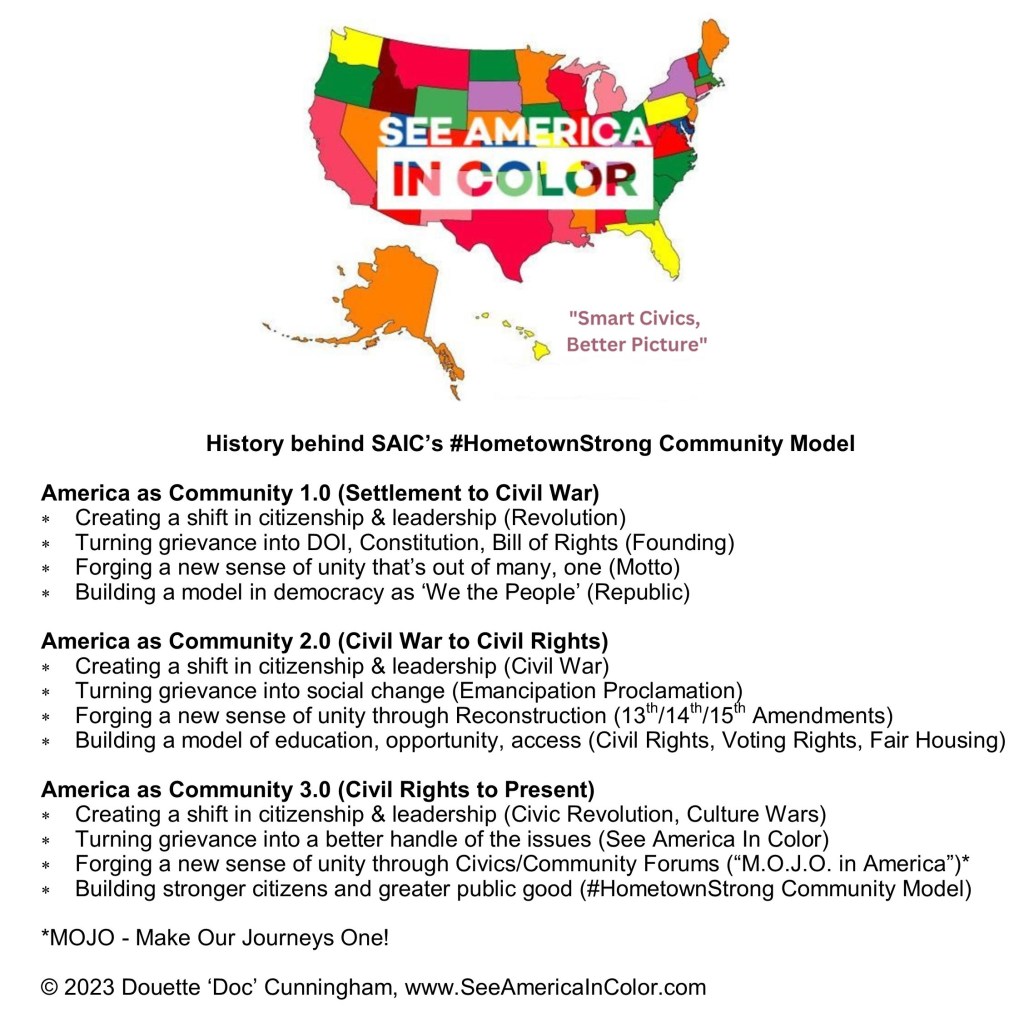
Realizing how we got here from our founding to a somewhat shaky standing on these topics, might take going under the hood of American history, the ‘Black to America’ story and #HometownStrong comebacks. It was out of past frustration and being fed-up that led to creating SAIC years ago. That’s what continues to inspire emerging efforts to Make Our Journeys One, #MojoInAmerica. From SAIC’s deep dive in history we were left with some takeaways:

  • America’s founding ideals were meant to foster democracy as a civilized society.
  • America after the Revolution came by “writing it into existence and speaking it into relevance”.
  • America can modernize by creating a shift in citizenship and leadership as a ‘MOJO Nation’.

Beyond drafting the founding documents, think of George Washington’s speech to Revolutionary Army officers in Newburgh NY. Or Abraham Lincoln’s speech at Gettysburg. Or Martin Luther King’s letter from the Birmingham jail. SAIC is using those events as inspiration for its ‘A New America’ Talk series.

SAIC Model of Change

Plus, we took a page from the civic model of America’s startup and the tech model of going from black & white to color TV. The tech model repeated itself in PCs going from DOS to Windows and mobile phones from ‘flip to smart’. These shifts moved us as consumers from frustration to savvy solution. In the same way, we’re engaging citizens in going from grievance to public good, frustration to savvy solution, Gen Z tension to MOJO nation. This means applying:

1. Tracks of Law

Ever wondered why many politicians are lawyers by training? It’s prob one of the oldest professions where the first thing we did as a country was to draft founding documents which became tracks of law. The Constitution is a basis for many federal laws. Then there’s the Bill of Rights which overlaps federal and state laws. Local laws are often observed as ordinances. In history, tracks of law have been important as public policy. SAIC plans to work with state legislators and those in state government on civic solutions that go beyond the classroom to gain support from the boardroom and community.      

2. Tools of Civics

There’re different ways to being an engaged citizen. The rollout of SAIC’s Civics & Community Events/Workshops will make that plain. An important factor in our approach is that we deliver content such that citizens get to ‘breath new life’, they feel a greater sense of belonging and they experience a breakthrough. For example, the idea of #HometownStrong comebacks combines a sense of belonging and the chance for breakthrough. It allows other demographic groups beyond black & white (e.g. AAPI, Latinx, LGBTQ, etc.) to experience breakthroughs based on the history of their group’s fight for justice.

Social Justice Lane

3. Techniques of Change

America’s history has been on a change continuum. It’s similar to leagues, teams and new players. Each league welcomes new players to the whole squad. They get to ‘come on board’ with the team’s strategy, schedule and culture. Then after a while they make the highlight reel. Our founding as a nation was about having a New America in democracy and dreams. Since then, we’ve gone through fits & starts towards perfecting our Union. The change continuum included protests, civil rights initiatives and new laws. So ‘We the People’ gotta apply techniques of change for a new season of America to make the highlight reel.  

4. Takeaways of Impact  

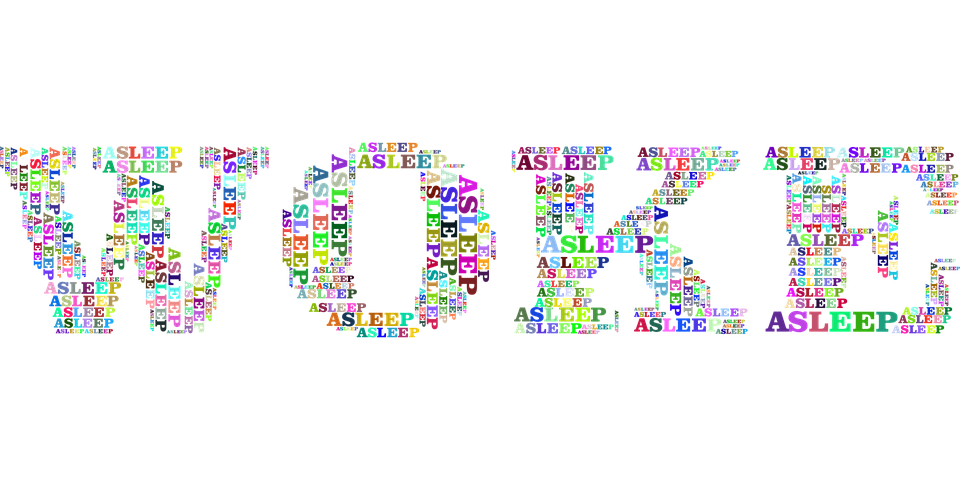
The Bill of Rights were meant to balance federal power with state/individual power, rights with responsibility. The First Amendment comes before the Second Amendment because the ‘right to exist’ comes before the ‘right to strap’. But things got twisted/distorted over time to where we have senseless tragedies due to ideology over vision for humanity. Similarly, some use the word ‘woke’ as a social insult while others see it as a positive social impulse to not be asleep on issues (the term ‘Yankee’ went through such twists/turns in history too). It seems some wanna have ‘the right’ without sacrificing for the greater good.                 

Time for America’s Reboot?

At times it feels like we need ‘heaven down here’ and humanity up there for a reboot/reset. Maybe JFK’s 1962 Commencement Address at Yale had it right in saying “Too often we hold fast to the cliches of our forebears. We subject all facts to a prefabricated set of interpretations. We enjoy the comfort of opinion without the discomfort of thought.” To enjoy the glory in a new season of America with fresh energy, excitement & mojo, it takes tracks of law, tools of civics, techniques of change and takeaways of impact. We’ll shift from backward-looking action to forward-looking vision as a nation.

To find out more about the Civics & Community Forum Series and how you can “J.A.M. With Us” (join a movement) in civic engagement, social change and community life, checkout the Signup Center below.

Tracks: Mickey Guyton – Heaven Down Here – https://youtu.be/ZvR-L9IsH9M

H.E.R. – Glory – https://youtu.be/Ly41ckKMDms

Signup Center

MOJO – Make Our Journeys One!
Design a site like this with WordPress.com
Get started