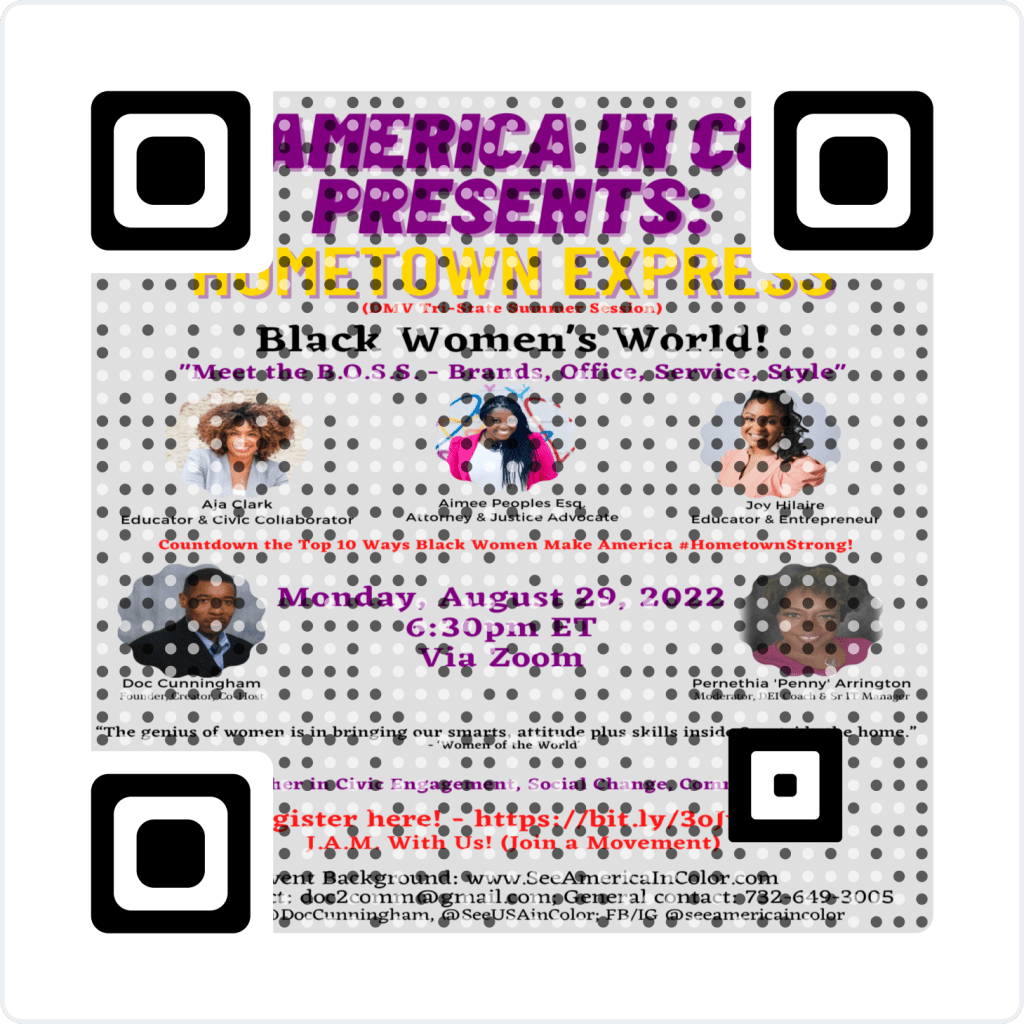
Preview Summary –
- It takes going back in years to understand current times when we find ourselves dealing with the fog of war and to see through the issues that come at us like named political storms.
- Our current times call for a process for how we educate and captivate the minds of young and older for America’s next chapter towards a more perfect Union destination.
- America’s struggle with racial issues has either been a failure of imagination or a forging of bad intentions as some folks go from ‘white lie to whiter lie’ to misguide and misinform the people.
Signup Center –
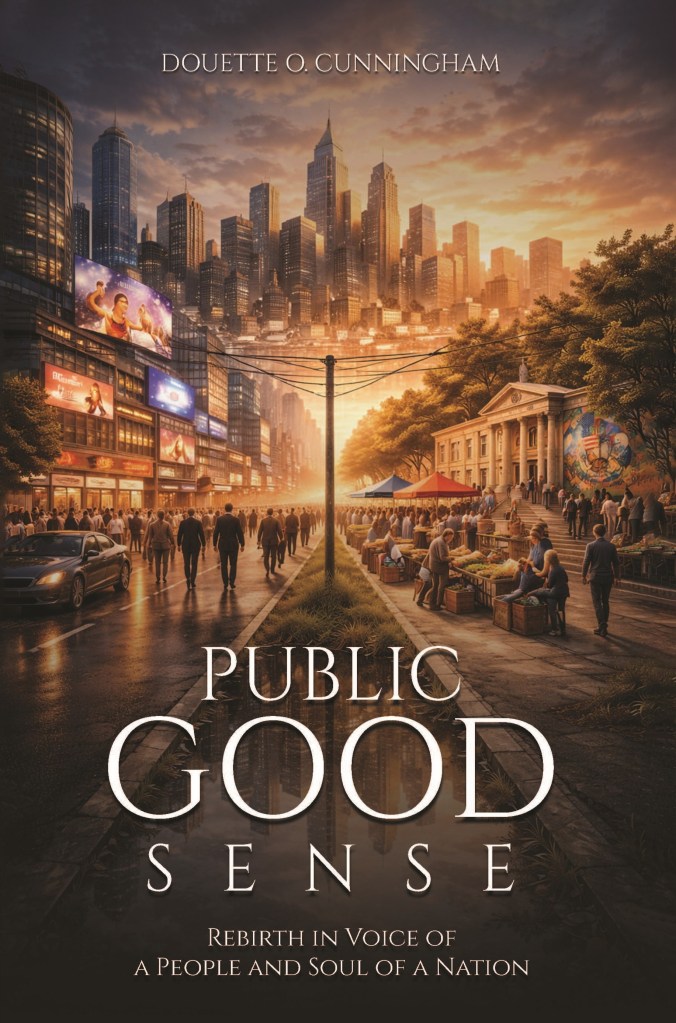
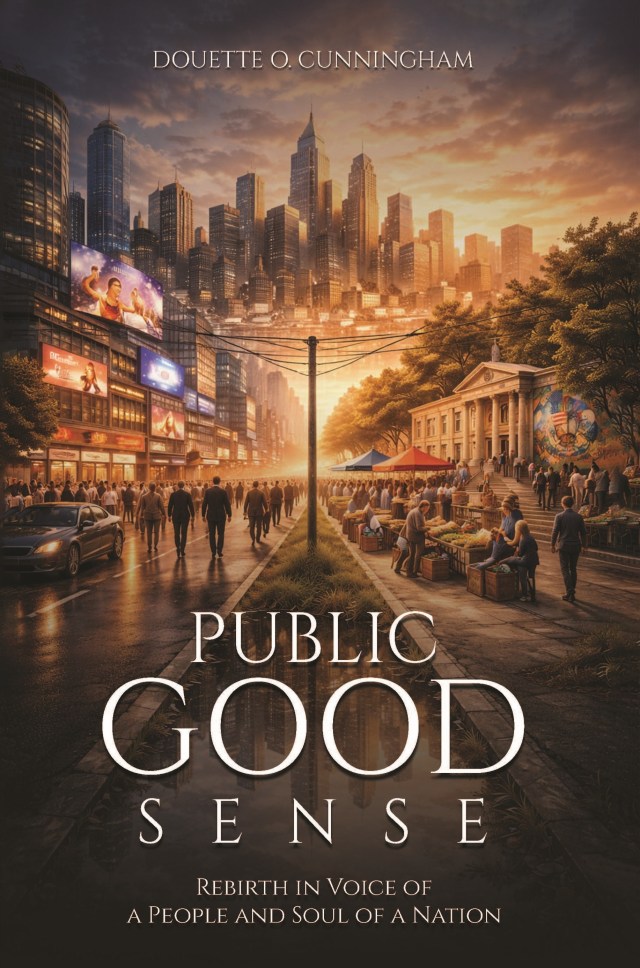
The Book
Program Options –
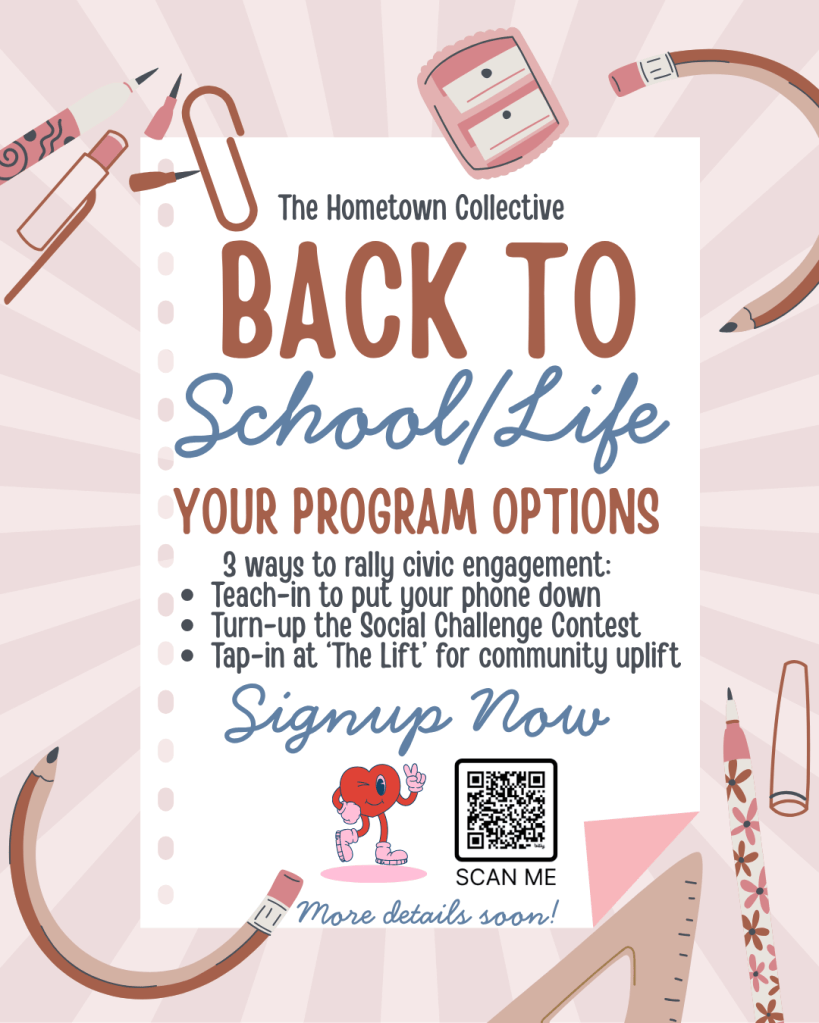
The Hometown/Alumni Collective
The SAIC Jingle
Main Content –
“Da Island Guy”
Sounding Off Social
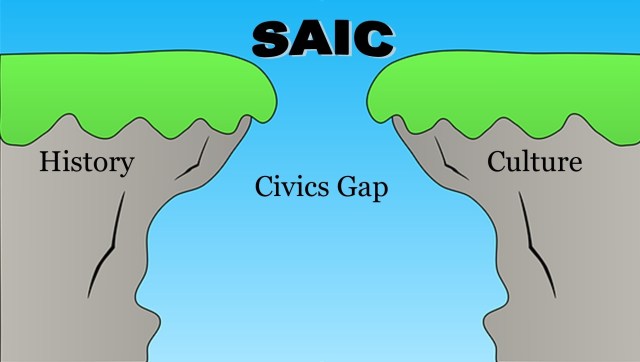
Let’s say twenty years from now, you were asked to describe America ‘from this current period’, how would you explain things? Maybe you’d first think about a cultural aspect of parades, music or sports. Maybe you’d remember a family moment or cherished memory. But if those weren’t enough, you’d probably have to explain things from a historical perspective. It might take going back in years to help understand current times. Is that where we find ourselves today, in dealing with the fog of war and political storms that have us off balance?

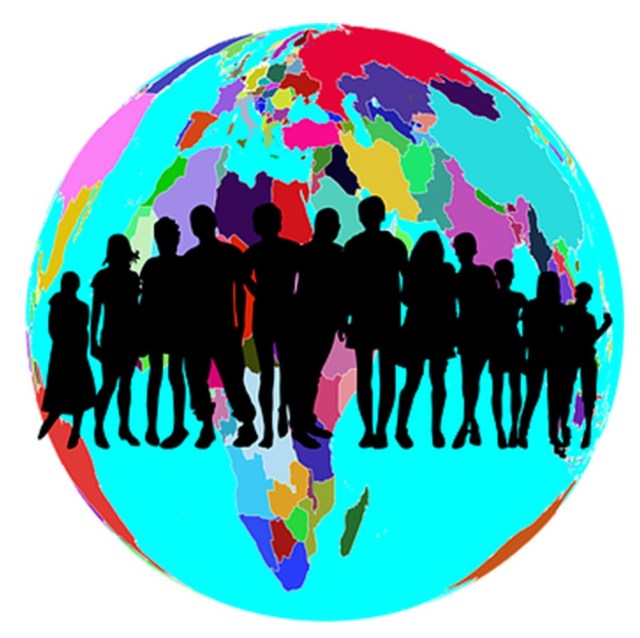
Recently, The United Nations voted on a revised map of Africa. This new rendering captures the size and scope that correctly reflects it as the second largest continent. Of all the voting members of the UN, the U.S. government was the only country to vote ‘no’ on this new map. Why is that? Well, maybe we’ll have to go back to 1569, and the map drawn by geographer Gerard Mercator. It’s the one we’ve come to know from grade school which showed Africa in a reduced size compared to Europe and other world nations. It turns out that map was either an unintentional error or a straight up ‘white lie.’
According to Reader’s Digest, that term used to describe a “harmless untruth or minor inaccuracy but with good intention” first showed up in print and dialogue in 1567. Maybe it’s just coincidence or something more revealing where first came the term ‘white lie’ then two years later a map of Africa was drawn that we now know was way off. If we follow that line of thought, we probably get closer to figuring this out. The pattern seems to repeat itself in world history, even from America’s early founding to current times. First, the Constitution described blacks as three-fifths human. After the civil war it was said the events weren’t about slavery but about State’s rights. In the late 1800s, the Supreme Court endorsed the idea of “separate but equal”. All these were a continuation of telling ‘white lies’, but with wrong intentions.
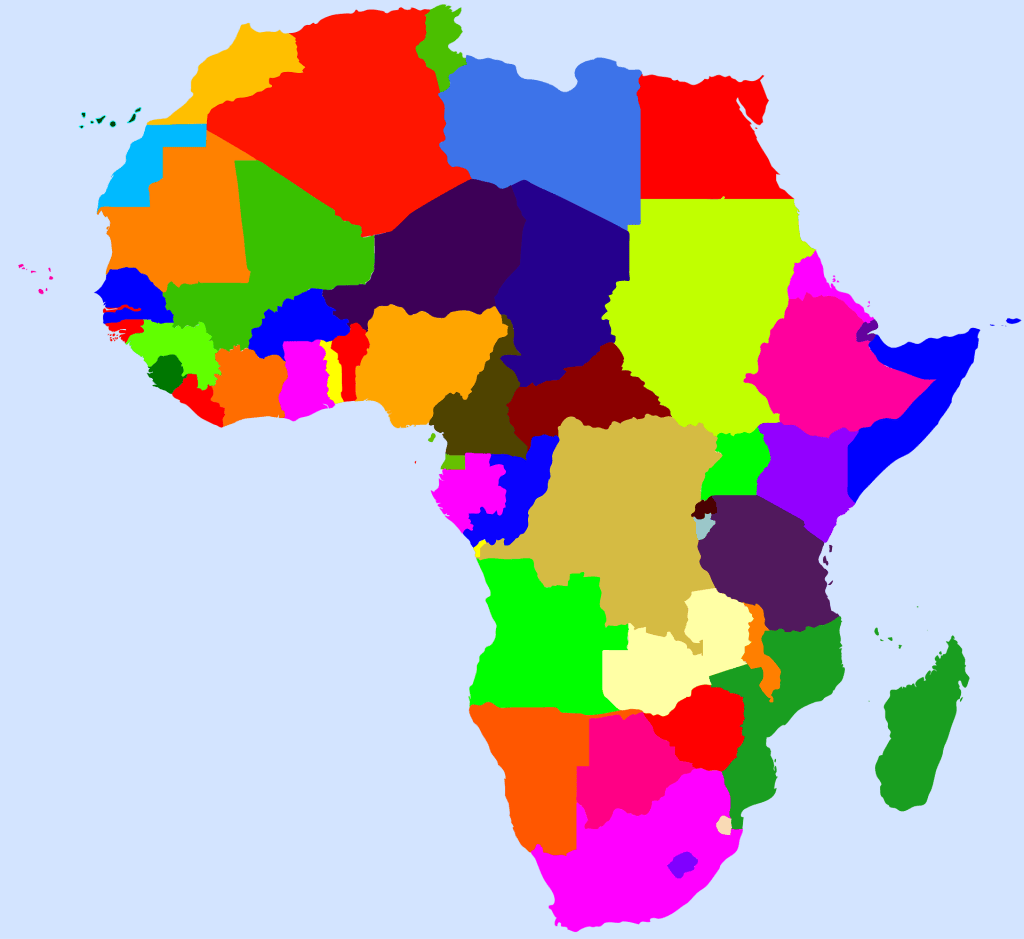
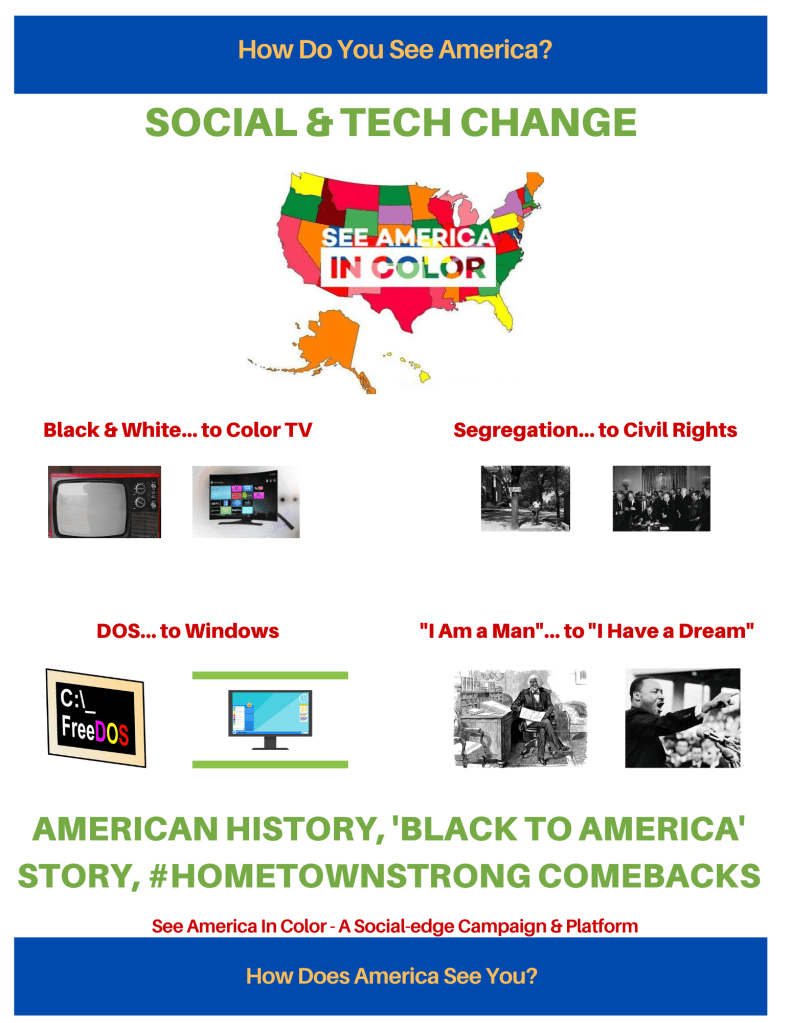
After the 2020 election the new ‘white lie’ is that mail-in voting is a fraud. That’s the latest version of misguiding and misinforming the public. What has happened over America’s history is there’ve been two forces: one that turns ‘white lies’ into a systematic foothold with wrong intentions and the other which has rallied movements to rollback the white lies and the systemic roadblocks. In other words, one has used white lies to disenfranchise groups of people (e.g. poll taxes, literacy tests, etc.), while the other has spent years rolling back white lies by re-enfranchising those same groups (e.g. civil rights, voting rights, housing rights, etc.). The white lie is used to continue what SAIC calls ‘projecting white light’, the way black & white TV works. However, SAIC as a campaign/platform is about projecting three streams of ‘colored light’, the way color TV works. SAIC is built on projecting American history, the ‘Black to America’ story, and #HometownStrong comebacks. That’s also an education for how we’d see Africa in color.
In some circles, there’s a backlash to mail-in voting for folks to express their voice and select their choice. Interestingly, while there’s much hype these days around AI as a fast-track ‘intelligence’ feature, what seems to get lost is how ‘white-lie AI’ get in the way of developing automatic intelligence to have at our fingertips. That’s why SAIC’s Fall rollout is built on education for seeing through the issues of our time based on the following:
- Books & Hooks: Teach-in to put your phone down. This is in response to those looking to inspire reading and focus, to avoid being distracted by internet-enabled devices.
- Civics & Lyrics: Turn-up the Social Challenge Contest. When SAIC first launched, it was introduced to students/administrators as an essay contest. Now there’s a pop culture element.
- Local Movement: Tap-in at ‘The Lift’ for community uplift. Think of this option as an empowerment feature, whether as a physical venue or like a ‘civic hotspot’ for community uplift.
- Life & Times: Takeout for the public good. These programs embody the spirit of America, the nation’s diversity and social impact, where class work and field work inform life’s work.

It’s as if our current times call for a process for how we educate and captivate the minds of young and older for America’s next chapter towards a more perfect Union destination. Ever noticed that a certain cruise line has all its passenger ships with names that end in ‘of the seas’? They want customers to know the ‘seas’ represent their consumer space. Well, maybe in the civic space we need a process for how we level-up America for higher ground, defining things ending with the letters ‘s-h-i-p’, as in:
1. Leadership
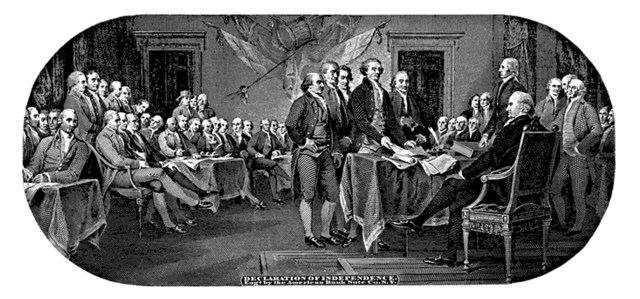
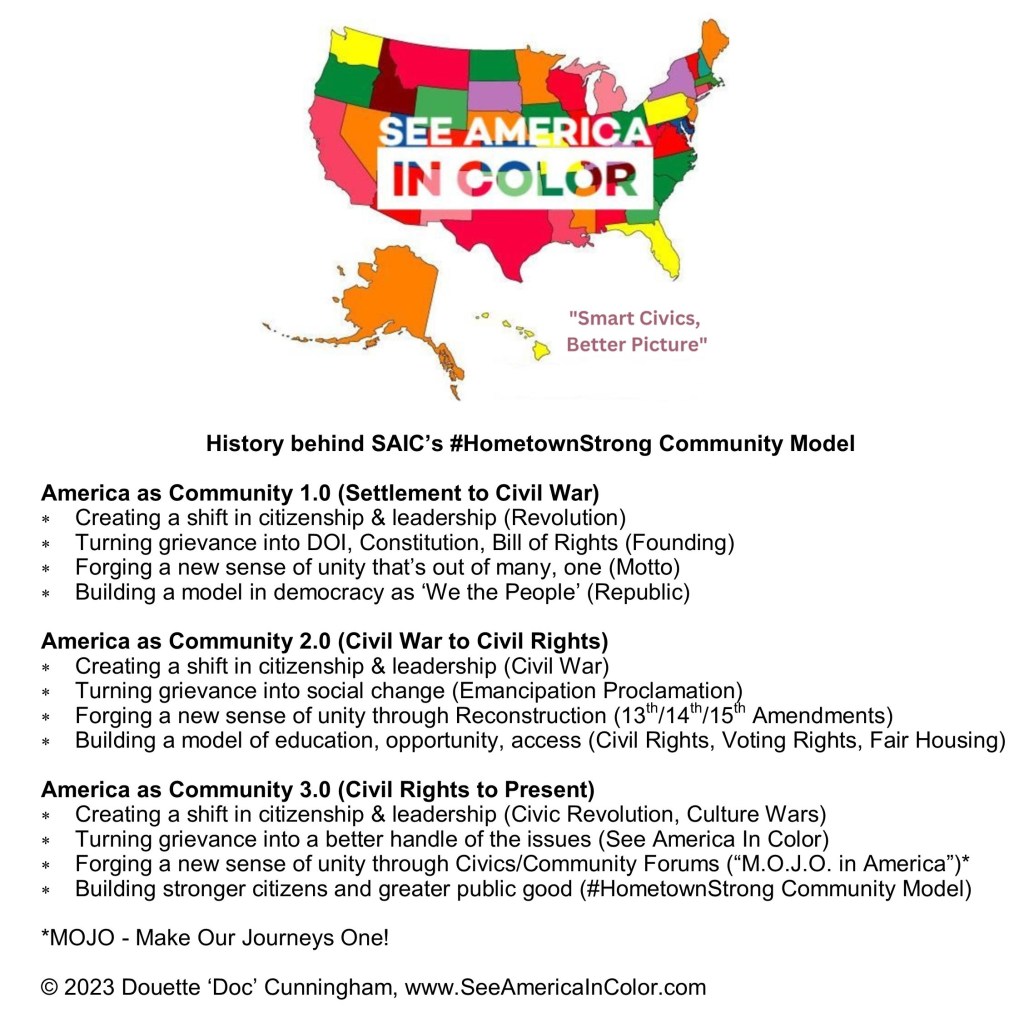
In life, whenever there’s a vacuum of something, something else will move into place. Not all examples of leadership are the same or what’s needed to fill the vacuum. In America, the problem is those who choose to go from ‘white lie’ to a ‘whiter lie’ form of leadership. Instead, what’s needed is leadership for seeing yourself in those you serve, even if your journeys aren’t exactly alike. In America’s early days, civic-minded leadership helped forge a shift in consciousness as a nation. This resulted in us spinning off as a new country, with ideals that if fully adopted and practiced are meant to serve ‘we the people’.
2. Citizenship
Good citizenship is seeing yourself as part of a community, like your limbs being part of your body. Think back to how America has seen its moments of war and struggle. After the revolutionary war, a few founders showed leadership to inspire citizenship when they traveled to the colonies to inform the people of the readout from the Convention. During the anti-slavery struggles in the mid-1830s, organizations dispatched ‘lecturers’ to the community to shed light on the times. Post civil war, many HBCUs were started to educate the black citizenry after the initial freedom gains of the Reconstruction era.

3. Mentorship
In family life, most of us can look back to a time when we were guided by our parents or other elders in some aspect of our development. It might not have been called mentorship because it was from those in our family line. However, mentorship involves seeing yourself in the eyes and personhood of others, remembering moments when you were in their shoes, and passing on lessons for their current life situation. We often learn to ride a bicycle or drive a car through family mentorship. If we’re going to meet the challenge of America’s next chapter, it will require mentorship in areas we were once lost or lacking.
4. Partnership
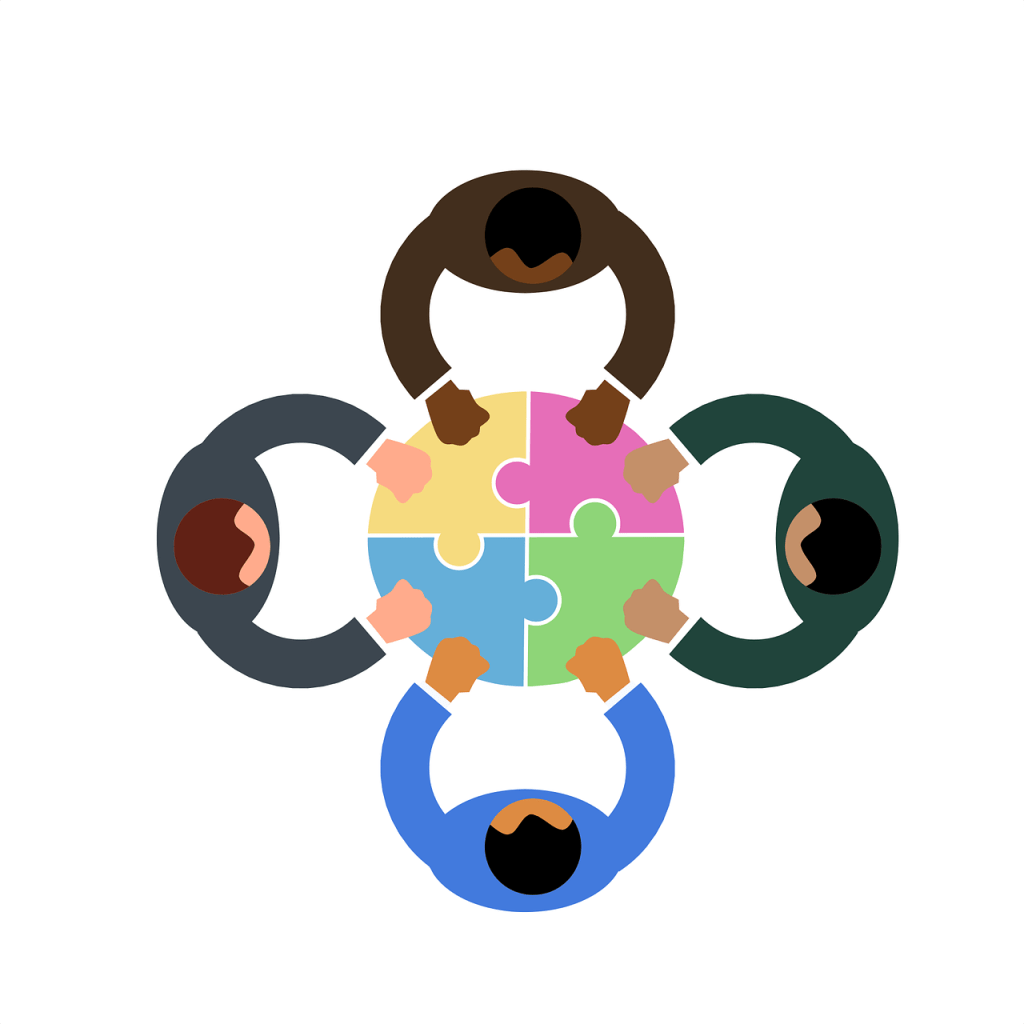
Even with a top-notch education, there’s always something to learn. It’s impossible to know everything on your own or to able to do everything in one swoop. So sometimes filling the gap requires partnership, which means seeing yourself as ‘we’ not just ‘me’, like spelling the word aWEsoME. If America only sees partnership for self-gratification and not mutual benefit, then attacking the self-worth of our allies will become our demise. When America isolates itself from the world, the world will return the favor. Similarly, when we look down on others as ‘others’, we become less open to partnerships and more to divisions.
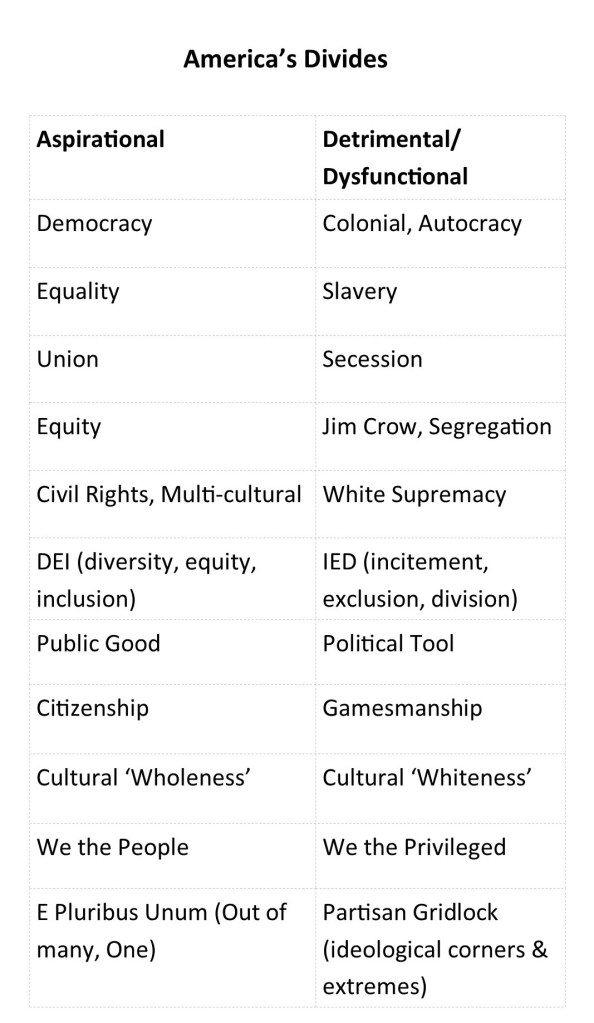
America’s struggle with racial issues has either been a failure of imagination or a forging of bad intentions. That’s how it seems to have played out as some folks go from ‘white lie to whiter lie’ in their policy and political habits. Plus, bad things happen when government is seen as a playground for personal gain as opposed to a higher ground for public good. The America Masterclass is more than just the idea of celebrating our founding with fireworks. So, let’s set sail on a ‘ship of good intentions’ towards being stronger as a family, community, company and country with a soul on fire.

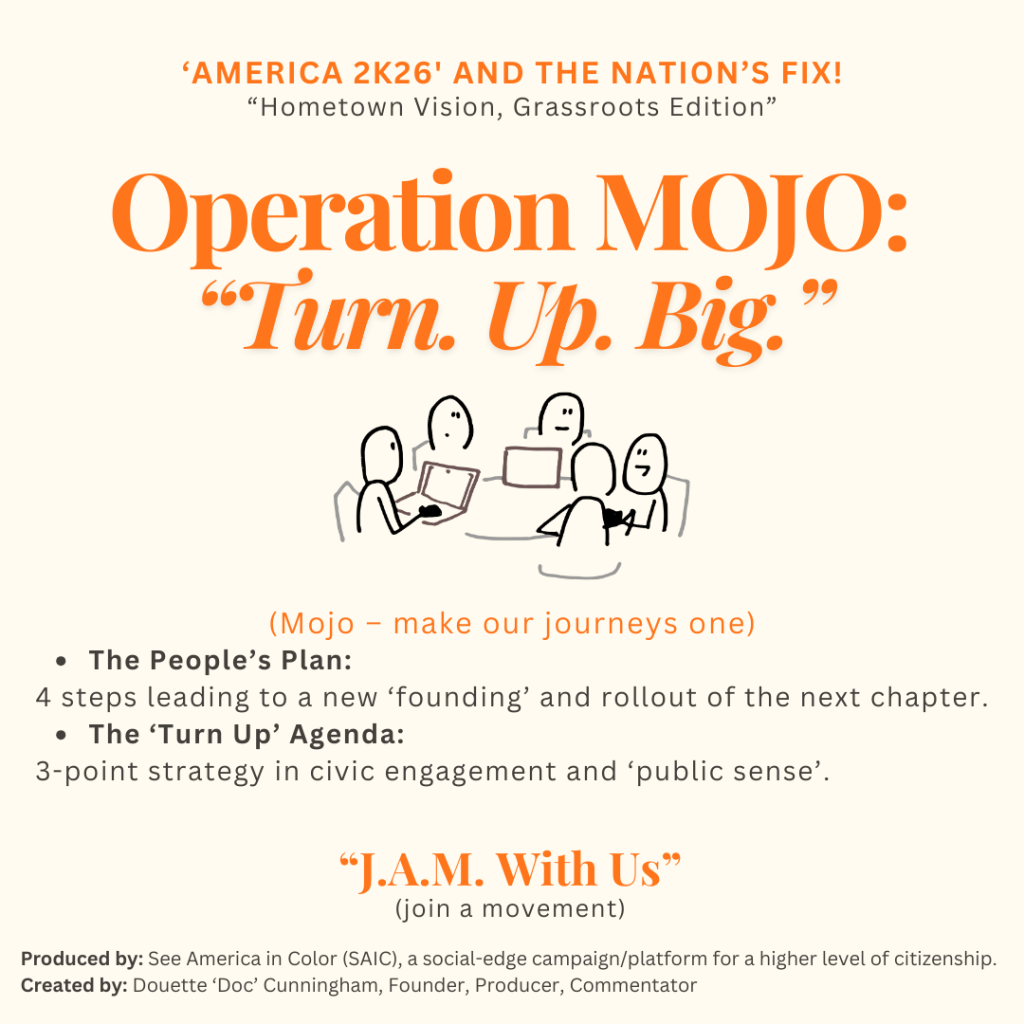
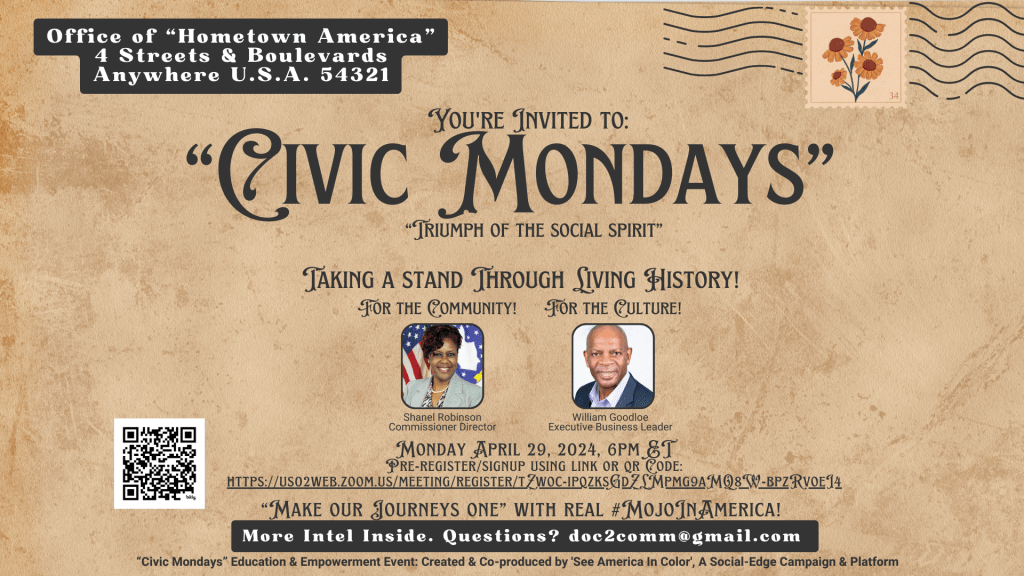
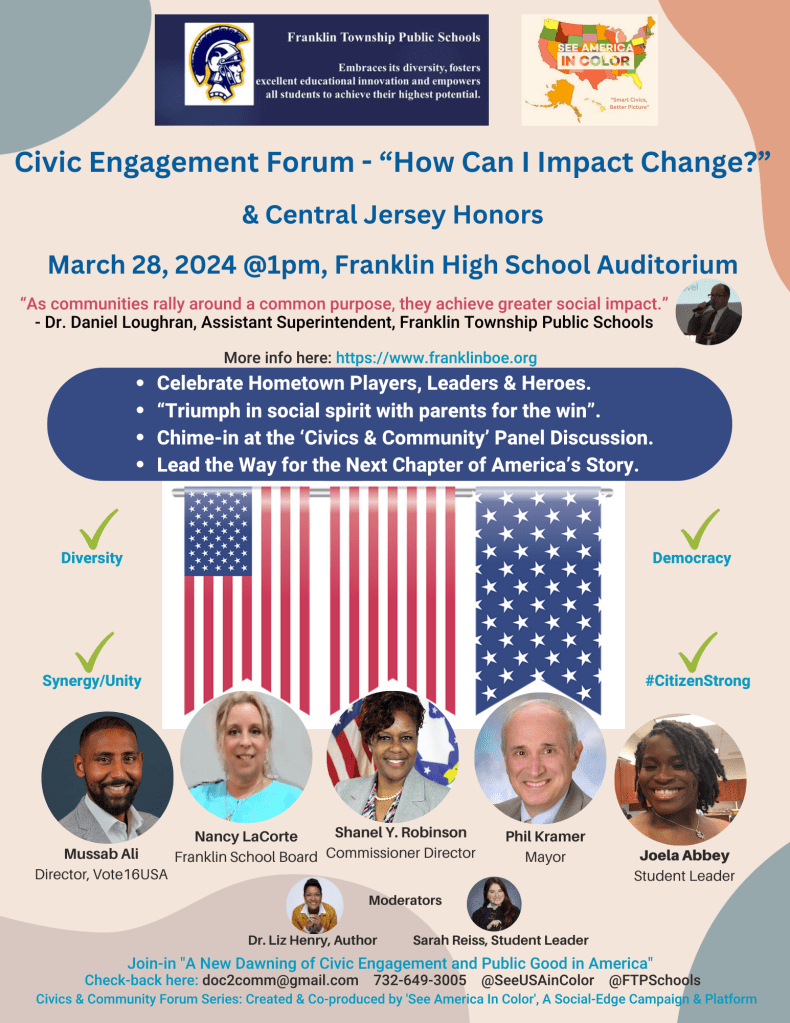
Chime-in on impacting Democracy & Public Good, Education & Community or Entrepreneurship & American Dream, ‘Civic Mondays’ events or Civics & Community forums. Plus, you can “J.A.M. With Us” (join a movement) in civic engagement, social change and community life. Checkout the Signup Center below.
Tracks: Alicia Keys – Girl on Fire – https://youtu.be/yxtBioiJxqs?si=IBwtREsWr4SS1fsO
Kelly Clarkson – Stronger – https://youtu.be/Xn676-fLq7I?si=-CDuKSp_5FXuvJ2T