(Part 2) After We Vote: How We Move on From the Elections and Bring Change Whether Win, Lose or Flaws.

Doc Cunningham
Sounding Off Social

The holiday season is here! It’s usually a time of fun moments and festive cheer. But as the Covid-19 pandemic rages on, there’re shifts and changes we’ve had to make when compared to past years. This is also a time that the ‘Year-in-Review’ news programs get rolled out. Some of us will do our best to handle the mental/emotional stressors while trying to make sense of the 2020 blur.  

Hometown Huddle

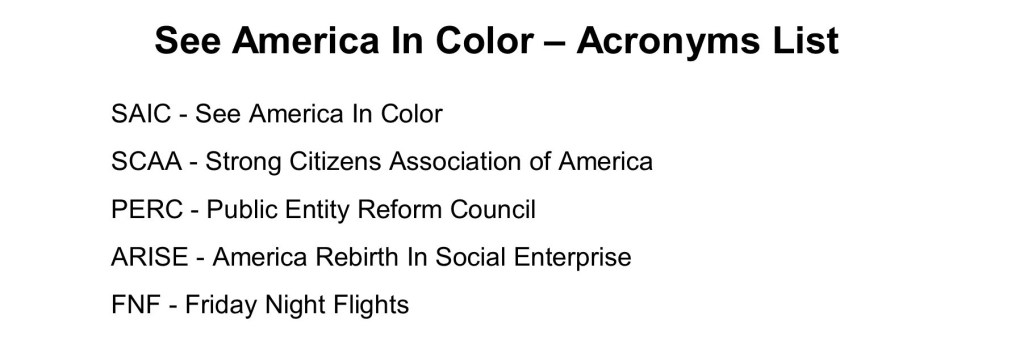
In the workplace some might use this time for a job performance recap, while with students it might call for a school-wide virtual conversation. But in the interest of civic ‘team spirit’ for the See America In Color (SAIC) social-edge campaign/platform, we’ll use this moment as an ‘After We Vote’ review and reality check. Whether win, lose or flaws in the system, we can move on from the elections and bring change based on lessons of the past in American history, the ‘Black to America’ story and ‘Hometown Strong’ comebacks.

It’s been a few weeks since the presidential elections and what’s been happening can be summed-up from our history by actions of winners and losers. For example, the winners of the American Revolution spent time crafting an organizing document that begins with the words “We the people in order to form a more perfect union.” But history shows that with past losers in America’s unfolding story, they spent time doing three things: (1) Attacking democracy (2) Suppressing citizens’ rights and (3) Gaslighting social ills and the culture wars.

Suburban Voter

As a quick flashback following the Revolution, women and some blacks in New Jersey were allowed the right to vote. That was reversed in 1807 because one party felt it was losing the support of those groups and decided to disenfranchise them. They came up with a new push and then laws under the guise of “Fighting Fraud.” Another example is how after the Civil War the KKK was formed by six confederate war veterans who were college educated. They were supporters of the losing side who would intimidate, harass and then attack democracy which led to the Jim Crow era of culture wars. Sound familiar?

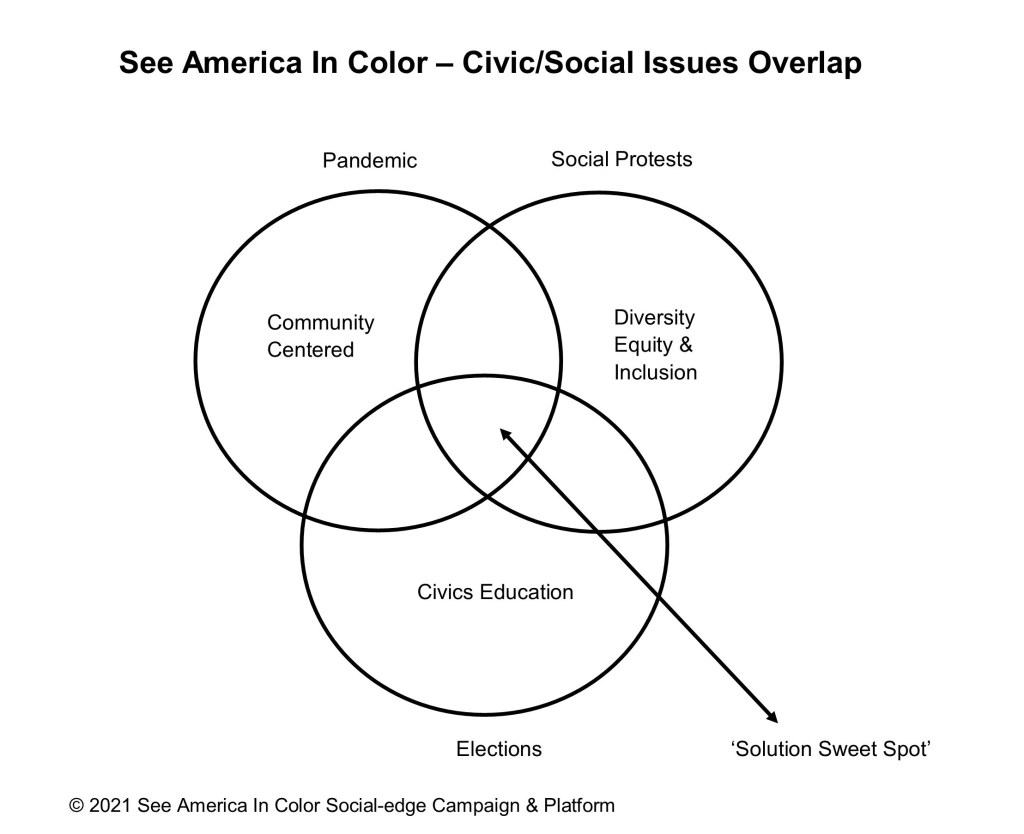
A better view of civic/social issues that is “powered by SAIC” might help to explain the following ideal: Celebrate a civic spirit in culture and community like a winning spirit in sports & biz. Think about the end of a football game when the coaches or the players meet in the middle of the field to shake hands. It’s not something they do as an executive order, but as a goodwill gesture after the game. Whether win, lose or draw, they move on and/or regroup for the next game or season. Moreover, when a player graduates from school or retires as a pro, they don’t try to hold their former teammates or the game hostage. So, taking a page from sports, we can do better as elected officials, public figures, media personalities, biz leaders and regular folks in ways that serve the country well by how we affect:                     

1. Civics

Between first and eight grades, students learn in science the difference between water as H2O and hydrogen peroxide as H2O2. Imagine during that time if little by little they’re led to believe that H2O2 is the same as H2O but is better for you because it has more oxygen? That would soon become a disaster in their health. Well, what we sometimes find in our public space can be similarly bad for issues beyond race. When people get fed a ‘drip drip drip’ of disinformation, over time they’re led to believe the wrong things. This might cause an addiction to disinformation, and as with most addictions, someone gets hurt. Plus, by the time they get to college and the real world, they’re likely to suffer with bouts of grievance, confusion and pain because they “lack information and are constantly liable to being misled.”          

2. Citizens

Organized Sports

From middle school through college, students can participate in the organized sport of their choosing. As they advance from the early stages maybe even through to the Olympics or pro ranks, practice sessions become harder and the goals steeper. As they grow in abilities and personal strengths the rewards are also greater. Well, that’s the mindset of SAICs Essay Contest and Friday Night Flights programs, in an effort to reboot civics education, refresh civic engagement, reset cultural messaging and revive social spirit. By the time we become voters or serve in other ways with a deeper sense of duty, we’ll all be working with a better picture of civic/social issues for a higher level of citizenship.        

3. Culture

Some of what we see today as ‘culture wars’ might be tied to a back-and-forth between White America and Black Culture. There’s even a spillover to other areas but it’s often experienced as ‘social humidity.’ It’s like those days when humidity in the air is heavy. The higher the humidity, the greater amount of water vapor is in the atmosphere. Things feel sticky, uncomfortable, maybe even unbearable as people try to find a ‘cool zone.’ Well when it comes to civic/social issues in America, we’ve always had to deal with social humidity due to ‘white supremacy vapors’ in the air making things uncomfortable. Plus, part of the culture wars might also be about whose ‘cool zone’ attracts more followers.              

4. Community

Some might remember the TV show from the 60s/70s called the ‘Mod Squad’ (Mod for modern). The theme was based around a group of young people who wanted to make a difference in the community. Their backgrounds could have caused them to be overlooked, but they came together to affect the social issues of their time. Maybe today across America we need a kind of ‘Pod Squad’ to help ‘protect our democracy’ or a ‘Civics Brigade’ to ‘put out disinformation’ hotspots that spread like wildfire. We kinda need parents, teachers, students and community members locked-in on a stronger, more secure future.

Hometown Recognition

If we want to “Make Team America an Awesome 10” we can look to sports as a guide. The players in the game learn to think ‘team’ before their own highlight ream. When you write the word aWEsoME, you gotta spell WE before ME. In the same way this might serve us well as we consider country, community and duty before political party, celebrity or cash money. It takes patriotic realism over selfish ambitions to achieve a greater good, higher purpose and bigger love that will have us all feeling good in the neighborhood throughout the holiday season and beyond. Then no one can top or stop us as a nation!              

You can join the conversation and support our efforts to “See America In Color: With 2020 Vision” at the Facebook ‘Hometown Chat’ Page here http://www.Facebook.com/seeamericaincolor.     
Tracks: Surfaces – Sunday Best – https://youtu.be/_83KqwEEGw4

 John Legend – Bigger Love – https://youtu.be/rAxdO1j6oQI

After We Vote: Where is History, Civics & Culture Gonna Take us As the U.S.A.?

Doc Cunningham
Sounding Off Social

How do you know if someone represents you or your issues? That’s the sort of question citizens face every time they vote. We’re trying to make a decision based on a combination of factors of person, party, platform and policy proposals. Sometimes a candidate might get support from celebs or other public figures to help attract voters.

Politics At-a-Glance

In some cases, you hear certain words used to criticize that support: sellout, hypocrite, traitor, opportunist. The 2020 Presidential election season was no different. A few unexpected folks came out publicly in support of their candidate. While the answer to the question of who people vote for isn’t always logical or scientific, there’re those who probably have some strong feelings.

Well, on the days after we vote we should at least be asking ourselves, “Where is history, civics and culture gonna take us as the U.S.A. – United States of America?” Think about what happens when a student attends graduation, whether from middle school, high school or college. As they walk on that stage to receive the diploma, there is a collective consensus around them going to the next level. Family members gather to support the graduate and to celebrate what life has in-store for them going forward.

Similarly, after we vote we should want to have a collective consensus about the ideals that can take us to the next level as a nation. This consensus, if viewed as the United Stage of America (USA), is one way to appreciate why the See America In Color (SAIC) social-edge campaign/platform believes civics education is the next social frontier in America. It’s why we deliver content for ‘smart curriculum and smart programming’. If you quiz people to choose between “dumb, dumber, smart or smart-arse” they’d likely want to have ‘smarts’ in civics the way biz/tech leaders do with gadgets and students do with academics.

Civics Quiz

Throughout America’s history we’ve seen evolution and revolution. We’ve also seen people overcome struggles, hardships and pain. In the 80s and 90s we had the period of crack cocaine addiction. In the 90s and early 2000s we dealt with opioid addiction. Over the years when our national identity or personal security was at stake, we responded with a “war on poverty” or “war on drugs” or “war on terror.” These days it seems we’re dealing with a growing “addiction to disinformation” that is consumed as hope. It’s as if we need a “War on D.A.H. – Disinformation as Hope.” So, to watch out for this rising danger of WMDs (weapons of mass disinformation) we need to go from:     

1. Talking points to takeoff points – because culture needs context

You often hear ‘talking points’ used to explain support for a political candidate. The problem is the message can get missed or muffled especially when used out of context. As an example, in the context of living with passion, some have heard the phrase “Do what you love and the money will follow.” Without the proper context, someone could hear that and believe “love money to live fully.” But with context, it really means “when you love what you do, money/reward will flow through you.” In the same way, culture needs history to provide context to make sure that the message doesn’t get missed or muffled.        

2. Voter education to civics education – because civics brings content

Voting Checklist

The Covid-19 pandemic threw the campaign season into a frustrating loop. There was confusion about absentee ballots versus vote-by-mail. There was concern among seniors about voting in person or working the polls. As such, there was even greater need for voter education through media and printed materials. Well after we vote, we should embrace the need for civics education to help get us past the ‘isms and schisms’, biases and prejudices, divisions and suppressions to meet and conquer that next frontier.       

3. Transaction to transformation – because citizens get conscious

In watching the campaign ads, it can sometimes feel like the process is more of a political transaction. The candidate asks for our vote in exchange for promises to make certain options/services available to the public. There’s often cynicism about the political process because voters feel some candidates forget about the people once they’re in office. With civics education, the process can be transformational as citizens get conscious about the ‘ins & outs’ of who’s serving the people and who’s serving their pockets.         

4. Candidate endorsement to civic empowerment – because better means change

Over the summer, pro athletes and other public figures showed us what can happen when citizens become conscious. There were civic engagement projects that weren’t focused on candidate endorsement. No matter which campaign ad was most convincing for folks, after we vote we can reach new heights with civic empowerment in the next frontier because better means change, whether personally, professionally or socially.   

Civic Pride

So after we vote, will we see a nation as good as its promise or as bad as its worst instincts? That’s a question we might ponder in the weeks and months ahead. These days we see slogans like “Stop Hate! or End Racism!” Maybe one day we can celebrate civics education as the United Stage of America in a National Civics Day. But in the meantime, from Miami to Minnesota, let’s meet the future with the words of President Lincoln, by living-out the “better angels” of our nature.          

You can join the conversation and support our efforts to “See America In Color: With 2020 Vision” at the Facebook ‘Hometown Chat’ Page here http://www.Facebook.com/seeamericaincolor.     

Tracks: John Legend & The Roots – Wake Up Everybody – https://youtu.be/iJgxJ6JrPkc 

Will Smith – Miami – https://youtu.be/IwBS6QGsH_4

The Ultimate Breakthrough in Next Gen Civics: When You’re Ready for Change and Realize America Can More Fully Live Up to Its Ideals

Doc Cunningham
Sounding Off Social

The countdown clock is off and running! Every four years the nation gets to vote for the highest office in the land. This time, it’s being billed as the most important decision in a generation, maybe even in our history. The conventions are done, the debates are ramping up along with the campaign ads to get out the vote.

Countdown Clock

There’s also another countdown clock that’s being watched by those who follow consumer technology. In a few months there’ll be an annual convention where the newest bells & whistles in tech gear & wear is showcased. It’s an event where major innovations over the past fifty years first got the light of day in the marketplace.

What if we were to merge the two clocks and reveal the ultimate breakthrough in next gen civics? It would feature new content and social innovations in how you add ‘smarts’ to civics the way biz/tech leaders do for gadgets. That’s what continues to inspire the See America In Color (SAIC) social-edge campaign & platform, in bringing a better picture of civic/social issues for a higher level of citizenship. It’s also what guides the expanded categories of Art & Science in the Essay Contest as well as the empowering insights with Friday Night Flights for taking civic engagement and career dreams to new heights.

The SAIC content came out of a deep dive in American history, the ‘Black to America’ story and #HometownStrong comebacks. It’s built on 7 phases, 3 communities and 2 questions which together create this ‘new & improved’ look at what it means to perfect the Union. It also brings a new awareness to social impact and civic empowerment. In Hollywood we have superstars and superhero characters. In politics we have super pacs and super delegates. At the gas station we have ‘plus’ and super-unleaded. So in civics why can’t we have ‘super citizens’?

Frontline Worker

In developing the SAIC concept, we couldn’t rely on theology to ‘raise the civics game’ because religion has been used with bad intentions in our history. We couldn’t rely on ideology since it can sometimes cause ‘mindless actions’ in certain cases. But we realized that technology would work, considering how society has embraced changes in consumer products over the years. So, to understand how SAIC adds ‘smarts’ to making history fun, civics fresh and culture feel-good, think about:

1. TV picture & video projection

With TVs we’ve gone from black & white to color to 4K-smart. The improvements have come about because of how you ‘project light’ and combine three basic colors: red, green and blue. Well, in the case of SAIC, it’s about projecting light through those 7 phases, 3 communities and 2 questions as well as combining the three color-strands of American history, ‘Black to America’ story and Hometown Strong comebacks. This reveals how we can achieve greater promise over power struggle in the next phase of America’s story. As the land of ‘milk & money’, part of that power struggle is between enriching the brand and expanding the tent, between what gets politicized versus humanized.

2. Car safety & driving perception

Backup Camera

Over the past 50 years we’ve seen major advances in car safety and driving perception. Two fav features are blind spot alerts and backup cameras. When changing lanes, you get a beep and flashing light if there’s a vehicle in your blind spot. When reversing you get a wide-angle view of what’s behind you, with guide-markers that show if you’re about to hit an object. With SAICs look-back, you get a wide-angle view of history, in a way that offers guide-markers of truth, blind spot alerts of reality and patriotism that regards humanity. Unfortunately, there’s no perception tech-remedy for hypocrisy and lies right before our eyes.

3. Pop culture & news selection

There’re lots of ways to get your pop culture fix and different places to get news of the day. Sometimes it’s hard to separate substance from the sensational or to see clearly ahead as citizens in making decisions for the future. Imagine driving in a rainstorm and not being able to see through your windscreen? You’d turn-up the speed selection on your wipers to clear the glass more quickly. Well SAIC helps to more quickly make things clearer on civic/social messaging, especially when the political rainstorm has our ‘wiper blades’ going from left to right and back.

4. Handheld device & personal direction

These days we have more power in handheld devices than in many products when they first came to market. A TV remote makes ‘flashback’ between channels a breeze. A smart phone’s app takes us to first-time places with ‘GPS Go.’  Well with SAICs Declaration of Emergence in hand, folks can experience ‘SAIC Flow’ by moving from where they are to first-time civics places. In addition, it will take them where their hopes, dreams and desires intend for them to be, to live their best life as engaged citizens and exceptional workers.

GPS Go

The news has been tough for the biz sector with word of closings like that of a major movie chain. In some areas there has been a rebirth of outdoor theaters. Not only from the impact of Covid-19 but also from the improvement in ‘screen gain.’ That’s a term for how much better a screen can reflect the light that’s projected onto it. Well, SAIC brings an improvement in ‘citizen gain’ by how we project history and civics onto the big screen called culture. This way folks will have more courage to change with a ‘holy commitment’ towards our future success as a nation.      

You can join the conversation and support our efforts to “See America In Color: With 2020 Vision” at the Facebook ‘Hometown Chat’ Page here http://www.Facebook.com/seeamericaincolor.     

Tracks: Sia – Courage to Change – https://youtu.be/2E5SF06SZuc

Justin Bieber Ft Chance The Rapper – Holy – https://youtu.be/pvPsJFRGleA

From the Office of ‘Citizen America’: To Bring Change in Each Classroom, Company, Community and County/Parish Along the Way for a Better Nation

Doc Cunningham
Sounding Off Social

Is the new school year gonna be cancelled? “Betta not” were the words from parents who’ve been dealing with the upheaval since Covid-19. “It needs to” were the words from those who feel 2020 gotta be cancelled. There’s been so much ups and downs, sad news and painful situations that they’ve had enough.

Ups & Downs

Those who’re just ‘sick & tired’ about the social reckoning, have taken to the streets with energized protests. Some are sick & tired of getting unequal treatment as citizens. Others are sick & tired of their businesses fighting to survive. And many others are sick & tired of being on lockdown due to Coronavirus.

But there’s an even deeper concern that you hear that’s been around for decades. People are just fed-up with fighting those dehumanizing aspects of discrimination and racism. They’d like to think that since we were able to move past slavery, that we need to figure-out as a nation how to have racism be “cancelled.”

How we achieve change depends on the concern at hand. In the context of ‘hometown rebound’ and returning “back to life better” we might take a page from events like the American Revolution and Civil Rights Movement. That’s the approach the See America In Color (SAIC) social-edge campaign/platform has developed in Project “Strong 2 Strong”. It includes, the Declaration of Emergence, the ‘ARISE’ public policy initiative/legislation and a new way for individuals to forge their American Dream.

Change Movements

What we’ve learned from American History, the ‘Black to America’ story and Hometown Strong comebacks informs the SAIC Essay Contest and Friday Night Flights programs. Maybe you’re among those who’re sick & tired of marketing buzzwords or hashtag branding. You’re looking for social shifts or structural change the way tech companies went from black & white to color TV, DOS to Windows or flip phones to smart phones. We can apply those change lessons to social/civic issues to achieve:     

  1. Smart Blocks

Think about how traffic signals have improved over the years. They now can sense when a line of a cars is waiting, or you can squeeze a ‘button for change’ when waiting in the crosswalk. We can have smart blocks when protesters don’t get sucked into skirmishes and clashes that lead to violence. We can have smart blocks when residents consider whether they want a community fueled by crisis, cruelty and chaos or one served with calm, compassion and competence.   

2. Conscious Brands

With growing social awareness some companies are becoming more conscious brands. These days we may need a kind of double-consciousness that takes us back to W.E.B. Dubois. For blacks, double-consciousness means an awareness for how you see yourself as citizen and how the world sees you as black. For whites, they’ve never had to wrestle with a double-consciousness. They’ve been ‘privileged’ with seeing themselves as citizens, and as white by default. Whether you’re black or white, with SAIC folks get to develop the double-consciousness of social impact and civic empowerment.     

3. Strong Brass

Brass Touch

The metal brass is a combination of copper and zinc. The term ‘brass’ is used to describe the leadership ranks of a police force. It also provides a fine touch in homes and music. Well, to bring change as a nation, we need to have strong brass as a winning combination. In police departments we need to have strong leaders and good patrol officers. In sports that means strong starters and bench players. For biz that means strong executives and mainline workers. For schools that means strong teachers/staff and student body. For communities that means strong elected leaders and citizens. Add to this a fine touch and the combination makes us #HometownStrong.   

4. Great Beauty

A black & white TV works by projecting a stream of white light and varying the intensity of the light to get shades of black, white & gray. A color TV works by projecting three streams of colored light (red, green, blue) and combining those streams into the beautiful picture we see on the screen. Similarly, with SAIC we’re combining American History, the ‘Black to America’ story and Hometown Strong comebacks into a better picture of civic/social issues for a higher level of citizenship. That’s how SAIC helps to advance social change in making a difference to bring great beauty!  

School Reopening

As schools reopen, they’ll offer the usual 3Rs of Reading wRiting and aRithmetic. We learn at an early age about multiplication and division. SAIC brings the 4Rs (reboot, refresh, reset, revive) for social change. Plus, when applied in a social/civic context with a little ‘smarts’ we’ll see that some folks want to divide and reverse change while others prefer to multiple and advance change. Whether it’s in the classroom, company or community we strive for a higher grade, higher earnings or higher service. While we’re only human (not machines), as citizens we should strive for a higher place towards a better nation.      

You can join the conversation and support our efforts to “See America In Color: With 2020 Vision” at the Facebook ‘Hometown Chat’ Page here http://www.Facebook.com/seeamericaincolor.

Tracks: Jonas Brothers – Only Human – https://youtu.be/kBNt8hYvn8A 

Skip Marley Ft Bob Marley – Higher Place – https://youtu.be/EdkzJ9HBcyM

The Next Big Hometown Push from the Ground Up After Street Protests Fade

Doc Cunningham
Sounding Off Social

How would you describe the road to recovery after Covid-19, economic shutdown and civil unrest? Well, it depends if you’re giving the short answer, expert advice or political speak. For starters, it looks like pro sports is back (for now), while the debate about reopening schools stirs-up mixed feelings. This situation is new for all of us which means we should have great interest in how we return “Back to Life Better.”

Biz Stats Queen

As different parts of society work to rebound, we’re looking to our leaders for answers on the path forward. Over the past few months, the reports of Covid-related deaths, economic pain and social disparities are well documented. Moreover, a growing number of ‘Black-at-School’ social media sites have popped-up, with students sharing frustrations around ‘isms and schisms’ on campus and around town.

In response to the range of community concerns, we’ve seen street protests, social petitions and city council resolutions. Some might be wondering what’s the next big hometown push from the ground up. Are students, families and communities ready to make change happen through social impact and civic empowerment? In a sense, that’s part of the See America In Color (SAIC) social-edge campaign through Project “Strong 2 Strong.” It includes the Friday Night Flights feature for taking civic engagement and career dreams to new heights.

Every so often we learn that a product has been ‘manufacturer discontinued.’ It’s no longer available and has likely been dropped from the catalog or replaced for a ‘new & improved’ consumer rating. What if we could arrive at a point in the unfolding of America’s story where we get to ‘struggle discontinued?’ That might depend on our approach to closing the ‘civics gap’ and bridging cultural divides. It’s what inspires SAIC to present a better picture of civic & social issues for a higher level of citizenship.

Street Protests

Recently, we lost the beloved civil rights icon John Lewis who left us with marching orders. In his departing words he said each of us has a moral obligation to stand up, speak up and speak out. He urged us to answer the highest calling of our heart for what we truly believe. Some people are impressed by companies making socially-conscious changes to their product line. Many others might feel motivated to move beyond the phrase Black Lives Matter, and have it become ‘manufacturer discontinued’ by how:

1. Review becomes shifts

Throughout history we’ve seen product shifts in various industries. In transportation we went from chariots to cars, but it isn’t always that dramatic. Whether in sports with coaches/players reviewing the video of past games or companies reviewing their production steps, this process can create shifts towards ‘new & improved.’ Similarly, SAIC took steps in reviewing American history, the ‘Black to America’ story and Hometown Strong comebacks to help forge new shifts as a nation.

2. Talk becomes teamwork

Social Change Startup

When it comes to human development, change is made possible by pulling together folks with different talents and titles such that teamwork makes the dream work. Sometimes there may be bumps along the way, due to a testing of a team’s chemistry and commitment. However, the history of change movements reveals a similar value of teamwork where it’s not just about talking the talk but also walking the walk.

3. Truth becomes journey

It’s interesting that one of the founding documents begins with the words “We hold these truths.” At that point in our nation’s new journey there were some truths that were understood while others kept underground. The understood truths set us on a path to freedom from British rule. But Lewis’ journey as a Civil Rights ‘founding father’ was about elevating the underground truths to set us on a freeway to somewhere more just and inclusive that would make us an even better nation.

4. Striving becomes shining

Think about the grievances that led to the Declaration of Independence. They were turned into steps for creating the United States of America as a shining light. Think about a child who is always whining about things. That child can grow up either full of grievances or full of light. It depends on whether they spend their time whining or striving. So, to See America In Color for creating change and living our best life, it makes sense to spend less time whining and more time striving for a bigger better you.  

Bigger Better You

There’s lots of discussion on whether the return of sports is more successful by having players in a bubble. This limits their real-world interactions. It’s something school administrators would love to have as an option for students. But in reopening the economy and returning back to life better, Lewis would want us to move beyond the bubble of civic ignorance, cultural indifference and social injustices. His example leaves a model for how we might do something bigger together and take things higher.    

You can join the conversation and support our efforts to “See America In Color: With 2020 Vision” at the Facebook ‘Hometown Chat’ Page here http://www.Facebook.com/seeamericaincolor.     

Tracks: Beyoncé – Bigger – https://youtu.be/2C05YhMgOUM 

Sia – Together – https://youtu.be/vnfGni4_RlI

Back to Life Better: Writing a New Chapter in History, Civics & Culture that Sets the Stage for America’s Rebirth in Social Enterprise

Doc Cunningham
Sounding Off Social

It was the announcement that shocked the sports world! The NFL Commissioner owned-up to the fact that the league wasn’t listening to its black players. Then came word not long after, that week one season opener games will feature the ‘Black National Anthem.’ It looks like the NFL wants to return “back to life better!” Maybe folks in the community too wanna have a Hometown Strong comeback on the block, boulevard, borough or boardroom? Well, gotta get through the hometown rebound pre-season.

Global Shift

In business circles this 180-degree flip by the NFL would be described as a paradigm shift. In social commentary you might hear terms like “watershed moment” or “tipping point.” Whatever folks might be comfortable calling it, many say we’re at an inflection point. We’re poised to write a new chapter in history, civics, sports and culture that sets the stage for America’s rebirth in social enterprise.

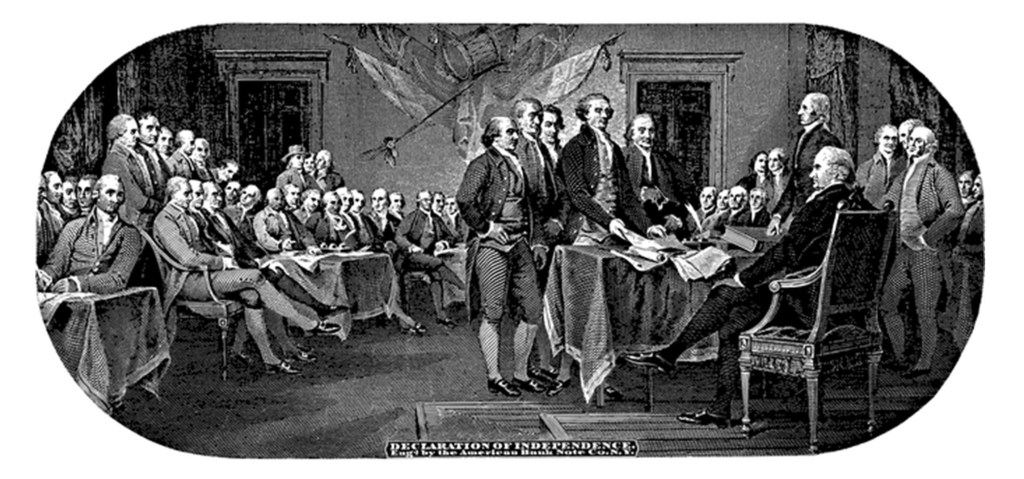
The story could jump off with words from the rapper Drake saying “started from the bottom, now we here. Started from the bottom now the whole team here.” If that wasn’t enough, a social scientist might take us back to the Declaration of Independence written by Thomas Jefferson. These ideals reveal that we’re endowed by the Creator with certain basic rights, simple values and human assets. Using these factors as catalysts for change can move us towards becoming a more perfect Union and living our best life.

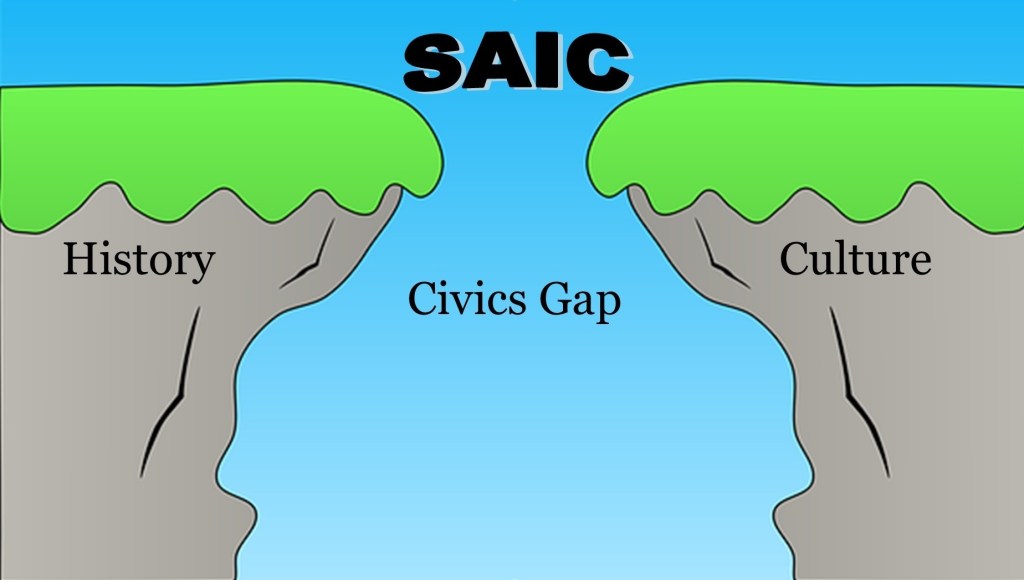
As we combine American history, the ‘Black to America’ story and #HometownStrong comebacks the way we combine the lyrics of Drake with the timeless words of Jefferson, it might give us a model to live our See America In Color (SAIC) Story, being mindful of how we emerged as a nation. It would also give us a roadmap to go from an old-school view of history and community to a new-school take on roots & culture. In making that shift, we’ll begin to close the ‘civics gap’ and better manage the culture clash in America.

Civics Gap’ Bridge

Take for example how freedoms, rights and privileges have been handled over the years. Separate from the Colonial period, it took from Independence in 1776 to Juneteenth in 1865 for blacks to get their ‘free card,’ in other words the freedom gap. It took from the 15th Amendment in 1870 to the Voting Rights Act in 1965 for blacks to have their vote respected, in other words the ‘rights gap.’ Of-course Covid-19 has shown us the health gap and there’s the wealth gap from 1619 to present.

These are some examples of what it means to See In Color the story of America. It’s about having a better picture of civic/social issues for a higher level of citizenship. It’s like the traffic intersection where the sign says ‘delayed green.’ This means the traffic on the opposite end gets the green before you do. When we ‘See In Color’ we’ll realize that for African Americans, it’s in part a story of ‘delayed green’ where folks on the opposite racial end get the green first.

The Broadway musical Hamilton reminds us first there was revolution, then revelation. Well SAICs Project “Strong 2 Strong” shows us first there was Independence, then Emergence. Back then, the country was emerging from battles with the British because of grievances with the throne. Today and in the months ahead, we’ll be emerging from Covid-19, economic shutdown and racial unrest with grievances as well. But since we’re endowed by the Creator with some simple values, no matter our race we can emerge by how we Love In Color.

Love In Color

The TV ad with those two boys (one black, one white) running towards each other is a good example for how we fulfill this as part of SAICs Declaration of Emergence. It’s also in how we work with those human assets, beyond the talents, abilities and gifts we show up with. When we handle dreams, calling, purpose and lifelong passions, it leads us to our destiny the way GPS leads us to our destination (no matter the color car). Dr King must have known no matter your race we can Lead In Color and reach a higher level of citizenship.

So back to the traffic light intersection and your signal change. The light went from red to green. That’s not only a change of color but also a Change In Color. The internal wiring and electronic smarts make that change possible. SAICs Project “Strong 2 Strong” believes if families, communities and the nation are ready to get moving with change or change what’s not moving there has to be a ‘Change In Color’ on the inside of regular citizens, political & civic leaders as well as systems. Changing a team name or a State’s flag is good but a ‘Change In Color’ allows us to squash biases, reform systems and live our best life which is a ‘go’ for the nation.   

Football Equipment

The full return of organized sports is still uncertain. Some pro players are opting out and some colleges are cancelling their fall sports season. But this is not the time to opt-out as citizens if we want to return “back to life better.” The SAIC campaign/platform positions us to strive towards a bigger love in embracing those wake-up moments and moving beyond obstacles, challenges and hassles by blazing a trail for a better America.

You can join the conversation and support our efforts to “See America In Color: With 2020 Vision” at the Facebook ‘Hometown Chat’ Page here www.facebook.com/seeamericaincolor.     

Tracks: Brandy, Wyclef, Mary J Blige & Friends – Wake-up Everybody – https://youtu.be/3ZPusIeehQo 

Chalice Ft Wayne Armond – It’s Alright – https://youtu.be/BNCwdcKmaUw

The Chance to ‘See America In Color’ or ‘See America In Conflict’: Which Will Folks Choose for a Higher Level of Citizenship?

Doc Cunningham
Sounding Off Social

It’s midnight in America! What will folks see when the dust clears or at sunrise? That’s a question many are asking after events of the past few days and weeks. All this has been happening while dealing with the global Coronavirus pandemic. It’s also happening as the nation prepares to celebrate another Independence Day.

Red, White & Blue

People at home and abroad are trying to understand the trauma experienced by black men in America. Meantime, others are turning the peaceful protests into property damage and extreme agendas. Some aspects of these events might take us back to the Boston Tea Party protest, which led to the American Revolution. Back then many were unhappy with being treated as second-class citizens by the British Empire. This dissatisfaction included a list of grievances that led to the Declaration of Independence.

To bring a See America In Color view to the broader story, those fighting for the colonies saw this as a moment to establish a ‘new & improved’ country, aka the United States of America. However, many African-Americans have had mixed feelings about Independence Day because it celebrated fireworks before achieving their freedoms. Remember, Emancipation didn’t come until long after Independence. Fast-forward to what’s happening today, and it might shed light on whether we choose to ‘See America In Color’ or ‘See America In Conflict.’

To ‘See America In Color’ is to merge American history, the ‘Black to America’ story and Hometown Strong comebacks into a better picture of civic/social issues for a higher level of citizenship. In one sense, the upside of the Revolution was in creating a vision for America through the founding documents. But to ‘See America In Conflict’ is to not address legitimate issues and basically keep the ‘grievance train’ running from coast to coast. This might be what those with extreme ideologies want to see happen as a different kind of fireworks.

Fireworks Display

Why were the founding documents an important part of America’s beginnings? Well it spoke to aspirational ideals and timeless principles. But the recurring theme is whether those ideals keep falling short for African-Americans. They fell short right out the gate because Blacks were treated as second-class and of three-fifths human value. So, what can we learn from America’s upside and downside in going forward after the recent events of protest and unrest?

Well it’s been said “where there’s no vision the people perish.” It might also be said that “where there’s no vision, something else will move in and take its place.” Unfortunately, in the current political climate, less time is spent on providing us a vision. This has left a vacuum for disinformation to move in. It’s almost as if we’re not only dealing with Covid-19. We’re also dealing with a virus called ‘Disinfo-20’ that’s infecting citizens and institutions. We need a vision for America, communities, families and citizens to null the effects of the ‘Disinfo-20’ virus. If the founding documents are a guide, that vision needs to reflect the:       

  1. Rights of people

The Declaration of Independence reminds us, “We hold these truths to be self-evident, that all men (women) are created equal and are endowed by their Creator with certain unalienable Rights, that among these are life, liberty and the pursuit of happiness.” George Floyd had a right to be treated as a human being, not as a ‘catch of prey.’ Hunting prey is often seen as sport. But if we say we’ve abolished slavery and slave catchers, then this can’t be the way we view human life in the 21st century.

  1. Role of government
U.S. Constitution

The U.S. Constitution begins with the words “We the People of the United States, in Order to form a more perfect Union, establish Justice, insure domestic Tranquility, provide for the common defense, promote the general Welfare, and secure the Blessings of Liberty to ourselves and our Posterity….” The role of government isn’t to divide us as a nation but to ensure the fulfillment of personhood, protection, promise and prosperity. The U.S. motto E Pluribus Unum (out of many, one) should be a kind of self-check done by public officials running for and serving in office towards advancing the greater good.

  1. Responsibility of citizens

In TV ads we’re reminded to complete the census, register to vote and actually go out and vote. These steps are important because rights without responsibility make a mockery of democracy. That’s what some people miss when emphasizing the ‘Bill of Rights’ Amendments. There should also be a sense of responsibility. Even Thomas Jefferson once said “I know of no safe depository of the ultimate powers of the society but the people themselves; and if we think them not enlightened enough to exercise their control with wholesome discretion, the remedy is not to take it from them, but to inform their discretion by education. This is the true corrective of abuses of constitutional power.”

  1. Results for humanity

Just think about how far we’ve come since the ‘60s in advancing color TV. We went from No-K to 4K picture quality. But with civic/social issues are we still stuck in the 60s and the idea of ‘no justice, no peace?’ That’s why if we choose to ‘See America In Color’ as opposed to ‘See America In Conflict’ it will help to advance results for humanity. This means turning grievances into goals for a higher level of citizenship.

Hometown Leader

Even with Coronavirus still a concern, we had protests in the east, protests in the west, protests up north and protests down south. The main outcry has been about justice for George Floyd and freedom from despair. It’s like the perfect storm of Covid-19 anxiety, ‘Disinfo-20’ distrust, unresolved tensions around social injustices and boiled-over rage/destruction. So, to move forward beyond these issues we can build-on SAIC’s Project “Strong 2 Strong” with a vision for better days as families, communities and citizens.

You can join the conversation and support our efforts to “See America In Color: With 2020 Vision” at the Facebook ‘Hometown Chat’ Page here www.facebook.com/seeamericaincolor.     

Tracks: Beyoncé – Freedom – https://youtu.be/yh91lO-PU0o 

One Republic – Better Days – https://youtu.be/fnHlRQZZbbY

The Community Dance: Economic Restart, Hometown Rebound and the Road Back to Reopening Main Street

Doc Cunningham
Sounding Off Social

It’s been 50+ days without ‘live’ sports coverage on TV. During that time, networks have been showing old games from past tournaments like the NBA playoffs, NCAA Big Dance or Masters golf classics. So, what happens when there’s a drop-off in sports coverage? Well, fans make do as The Last Dance becomes the #1 documentary on television.

Golf Pro

The series reminds us of how ‘Be Like Mike’ was a catchy slogan back in the day when Michael Jordan dominated pro basketball. Unfortunately, the catchy slogans these days point to an infectious virus that has shutdown everyday life as we know it. With elected officials thinking about reopening for business, there is a delicate balance between public health and economic health that must be managed. They need to consider risks associated with losing lives and losing livelihoods.

Just think about some of the pain folks have already been through. In NY we lost essential workers on the frontlines, in some cases because they did not have protective gear. In Louisiana we lost a few members of a social club who were part of the last Mardi Gras parades. Authorities in Prince George’s county Maryland, one of the wealthiest black populations in the U.S., are dealing with a big outbreak of the virus. The push to reopen things cannot just be with slogans about ‘liberating’ communities. In the same way that a winning sports play is carefully thought-out on the sidelines and coach’s box, the next steps gotta be carefully thought-out when it comes to life and death.

It seems Governors are doing the heavy lifting. From New York to California, New Jersey to Maryland and points south, they have released 12-point plans, 4-phased rollouts and 6-step strategies for returning things to normal. They have announced distinguished leaders who will work as a reopening taskforce in each state and across regional lines. As to whether normal is what we knew of before, no one’s sure. Maybe we won’t know until sports events are back to their regular programming schedule.

What’s it gonna take to fully embrace these restart efforts? In addition, how are we gonna forge a hometown rebound that empowers families, communities and citizens near & far? Well it might mean looking back to early human history. Plus, there’s something we learn from companies that were started or thrived during economic depression, recession and deflation. This is a look-back to move forward that’s not simply stuck-in nostalgia. It’s why our See America In Color social impact campaign set out to reboot civics education, refresh civic engagement, reset cultural messaging and revive social spirit.  It’s why we’re currently developing a prototype for ‘Friday Night Flights’ to take civic engagement and career dreams to new heights.

Community Dance

The ‘community dance’ at the club, sports arena or block party might be on hold a while longer. For now, we get to do a little ‘tootsie slide and chill.’ But back in the days of plagues, floods and pestilence there was a period of 7-year abundance followed by a 7-year famine. How they recovered then gives us hope as our nation goes from a period of abundance with 10+ years of job growth and stock market climbs, to who knows how long a period of job loss and hard times we have yet to see. A ‘hometown rebound’ plan whether from government officials or at the family, community and citizen levels should be based on how we:

  1. Organize our strengths

A recent event streamed ‘live’ on ESPN showed ‘Game of Thrones’ star and weight-lifter setting a new world record for 1,104 pounds deadlift. That was an individual effort but organizing our strengths is also like a group effort of citizens lifting a SUV to save someone from a burning vehicle. As health officials solemnly report the death-toll, multiple Governors are working as a coalition to organize the strengths of their states. It’s what companies will have to do to make it through the downtime in order to bounce-back over time.

2. Mobilize our resources

Food Bank

News reports say farmers are dumping millions of gallons of milk, hundreds of thousands of eggs and putting-down farm animals because the food-processing chain has been disrupted by the shutdown. You would think that with Food Banks having a big increase in demand, that we’d be able to get them the resources that’s being thrown away. How we mobilize our resources will make a difference in turning what we have into what others don’t have and therefore being more than enough to fill the need.

3. Maximize our skills

In life we show up with divinely endowed gifts/skills as well as those we develop through education and training. Some skills are there to fulfill us financially, emotionally, intellectually, physically. Other skills are there to fulfill a larger calling, purpose and lifelong passions. In other words, we maximize our skills by how with grow in mind, body and spirit in a holistic way as individuals and in a civic way as families/communities working towards ‘unity of purpose.’

4. Realize our value

The value we bring to the table, block or marketplace is our collective efforts from work, play and mutual support towards having our best life experiences. Sometimes that means how we monetize our professional game. But it might also mean how we humanize things in the comings and goings of life. Our value can be seen in how we empower lives and livelihoods for lifestyle moments and legacy actions.

Main Street

So, in the coming weeks and months elected officials will be laser-focused on having the right timelines for reopening Main Street. School officials will be studying changes that have to be made for reopening schools. Company executives will be reviewing plans for employees returning to the workplace bit by bit. How we handle the climb out of this, even after each tear some may wipe away, depends on a ‘hometown rebound’ plan that also empowers families, communities and citizens everywhere.

You can join the conversation and support our efforts to “See America In Color: With 2020 Vision” at the Facebook ‘Hometown Chat’ Page here www.facebook.com/seeamericaincolor.     

Tracks: Miley Cyrus – The Climb – https://youtu.be/NG2zyeVRcbs

Mary J. Blige ft Jay Sean – Each Tear – https://youtu.be/Xvash3C5G9c

America Pride Override: 3 Ways Where Civic Engagement Brings Change on the Soup Lines and Troop Lines

Doc Cunningham
Sounding Off Social

Where were you when…? That’s a question often tied to major life moments. Whether on the local or national scene, there are social change markers when shifts happened in our day-to-day living. This may be where we find ourselves during the Coronavirus pandemic as cases spike and news of infections hit closer to home.

Social Change Markers

At times, people have asked that question to help them review prior events. Some millennials may have asked amongst friends or biz associates, “where were you when the housing bubble burst which led to the market crash of 2008, or when the first plane hit the twin towers in 2001?” With the Coronavirus outbreak, years from now folks might be asking “where were you when the world changed?”

If you’re looking at such historical, social and cultural events through the lens of the See America In Color (SAIC) civic engagement campaign, the backstory and takeaways point to a re-occurring theme. Yes, there was personal grief, economic pain and social challenges. In addition, you’ll also find a system issue that was somewhat a factor being overlooked initially but then changed eventually as a kind of ‘social override.’ This is an important reason why the SAIC Essay Contest for America’s students plays an important part for how we reboot civics education. Moreover, with teamwork among educators, administrators, parents and community leaders, we hope to add Arts, Science and Health categories to the contest.  

Store Checkout Line

We can think of this ‘social override’ like getting to the checkout line at the store and finding a price difference for an item. The price on the display may have been changed, but the price in the system was not. The clerk calls over the supervisor for an override. The consumer gets the benefit of the new lower price, not the old higher price. That’s how SAIC can foster change where civic engagement brings the override.

We can use this as a guide for how we bounce-back after the Coronavirus pandemic or how we spotlight Independence Day in a new way. Throughout history it’s been a kind of ‘America Pride Override’ (APO) that took us from colonial times to independence, slavery to abolition, segregation to civil rights. So, APO may be useful in taking us from “America Divide to E Pluribus Unum” (out of many one) and from public disinformation to civics reboot and engagement.

Even though the virus outbreak canceled NCAA March Madness and put the NBA season on hold, there’s something we can take from basketball to step-up our ‘civics game.’ In the same way that the 3-point shot changed the game with a new way of scoring, we can be #HometownStrong along three lanes in the community. In other words, we can add a 3-point shot to our civics game as a:

  • Roster player

Making a college or pro team is a big deal. You’re listed on the roster with a spot on the squad. When we complete the Census, we’re put on the civic roll. As citizens when we register to vote, we’re part of the election roll and get to have a seat at the table. Plus, people choose to serve on hometown projects in a selfless, give-themselves-away manner and score big. An engaged citizen is important to a great society as a roster player is to a champion team.

Hometown Project Team
  • Role player

Basketball has court positions of center, guard or forward. Those who become role players do more than just play their positions. They affect the game in ways that might not necessarily make the stat sheet. A citizen ‘role player’ shares their voice or scores high points beyond the stat sheet. Imagine, if the Empire State Building can shine a light for first responders and other frontline players, then we can be points-of-light for our fellow citizens in the community.

  • Franchise player

This is often the face-of-the-team or game leader who sees the big picture. It can be the go-to person in a close game or the key player at the buzzer. Citizens become franchise players when they see the big picture of a community vision for living their best life. They see what civics reboot and engagement mean for country.

So, will Coronavirus deepen disagreements and disinformation or help us move past ‘America Divide’? Even with empty streets, we look forward to a new day for how SAIC makes a difference and fulfills a larger purpose. The public will have more knowledge of the price we pay for not questioning elected officials or challenging those who shamelessly spread disinformation.

Empty Streets

In the past when America’s pride hinged on shameless policies (e.g. slavery, segregation) the civic response was an override to bring priceless change (e.g. abolition, civil rights). That’s why SAIC isn’t meant to be political, but instead aspirational towards our best life experiences. Throughout history it’s been civic engagement that brought change to the soup line, troop line and maybe even now for the soul train line at the virtual party next door.   

You can join the conversation and support our efforts to “See America In Color: With 2020 Vision” at the Facebook ‘Hometown Chat’ Page here www.facebook.com/seeamericaincolor.     

Tracks: Alicia Keys– New Day – https://youtu.be/yvZwSPhvjts 

Jill Scott – Golden – https://youtu.be/4QCXr79Rkcw

6 Categories of Scholarships, 17 Award Levels & Major Hometown Recognition for NJ Public School Students, Educators and Community Officials

Doc Cunningham
Sounding Of Social

The See America In Color (SAIC) civic engagement campaign hit a milestone on March 7th by handing out scholarships, awards and recognition to NJ students, educators and public officials. It was sort of a coming-out party for the project that’s been in the works for 7+ years to include an essay contest, ‘MVP Club’ (Many Valuable Parents) and hometown forums celebrating all-round citizen excellence.

This event happened on the heels of a special bulletin issued by the campaign in February which asked the question “Should National Civics Day be a thing?” The message behind ‘SAIC 2020’ is to reboot civics education, refresh civic engagement, reset cultural messaging and revive social spirit.

Civics Update

SAIC is about how we update our civics to advance roots & culture and make us better. This gives a clearer picture of history, family, culture, country, civic and social issues for a higher level of citizenship. It also means adding ‘smarts’ to civics the way tech leaders do for gadgets. The campaign isn’t political. It’s aspirational so that we can be #HometownStrong as ever!

Founder/Creator Douette ‘Doc’ Cunningham shared his excitement for the project and the support provided by those across education, business, media, government and community. In telling the project’s backstory which came out of national news from 2012 to 2015, he said “We hope to expand the essay contest with new categories to include Arts, Science & Health, as well as engaging schools and communities across the country. This will build on the support shown in NJ, for a fired-up future.”

Fired-up Future

The list of student, educator and community awards is impressive. This achievement involved careful planning and collaborative leadership. Big thanks to Coca-Cola and Chick-fil-A for their donations in food/beverages. Those in attendance were reminded of Maya Angelou’s words who once said “A person is the product of their dreams. So make sure to dream great dreams. And then try to live your dreams.”

You can support our efforts to “See America In Color: With 2020″ Vision at the GoFundeMe crowdfunding page, search for ‘seeamericaincolor’  http://www.gofundme.com/f/seeamericaincolor

Student Awards

Middle School Level

  • Bayonne Vroom School
    • Oluwaseun Ilori (winner)
    • Mikayla Camacho-Reciek (runner-up)
  • Mt Holly Holbein School
    • Elizabeth Curillo (winner)
    • Chika Nlemigbo (runner-up)
  • Hoboken School
    • Jessida Urquiaga (winner)
    • Alexys Sayaan (runner-up)

High School Level

  • Franklin Township School (Somerset)
    • Akshay Gokul (winner)
    • Sam Gorczyca (runner-up)

South Jersey Middle School Rising Star

  • Mt Holly Holbein School
    • Elizabeth Curillo (winner)
    • Chika Nlemigbo (runner-up)

North Jersey Middle School Rising Star

  • Bayonne Vroom School
    • Oluwaseun Ilori (winner)
    • Mikayla Camacho-Reciek (runner-up)

Statewide Middle School Level

  • Hoboken School
    • Jessida Urquiaga (winner)
    • Alexys Sayaan (runner-up)

Statewide High School Level

  • Franklin Township School (Somerset)
    • Akshay Gokul (winner)
    • Sam Gorczyca (runner-up)

Educator ‘Civic Spirit Award’

  1. Giselle Torres: 6th Grade Social Studies, Bayonne Vroom School
  2. James E. DiDonato: Superintendent, Mt Holly Township School
  3. Dr. Tamika Pollins: Director, Diversity Equity & Inclusion, Hoboken School
  4. Justin S. Miller: Supervisor, History & World Languages, Franklin Township School

Community Awards

  1. Super Citizen Award: Senator Cory Booker
  2. Public Servant Award: Kari Osmond, Deputy Chief-of-Staff, NJ 12th congressional district
  3. Civic Media Award: Nicole Carroll, USA Today Editor-in-Chief
  4. School Innovator Award: Dr John Ravally, Superintendent, Franklin Township School
  5. Dream Team Award: Frankie Lynne, SAIC volunteer
  6. Business Leader Award: Sophie Stein, Chick-fil-A Operator
  7. Hometown Leader Award: Franklin Township Councilwoman Kimberly Francois

Tracks: Raleigh Ritchie – Stronger Than Ever – https://youtu.be/QoyMvE5g7f8 

Grace Carter – Fired Up – https://youtu.be/kOfCuVDXjI0